WSET vs Wine Scholar Guild Classes – Which is Best For You?

After finishing WSET Diploma, I knew I wanted to continue my wine education with another school.

But before considering making the leap into the grueling world of Master of Wine, I heard great things about the country-themed classes at the Wine Scholar Guild.

Much like WSET, they had classes targeted more towards beginners (Essentials level) and other more in-depth tracks for advanced students such as myself (Scholar level and Masters level- the former focusing on countries and the latter on individual wine regions).

As the guild had recently released its newest country, German Wine Scholar, I thought it would be a fun one to start with and completed it within the first year of availability.

While I have a full German Wine Scholar review here (plus Wine Scholar Guild exam tips here), in this one I wanted to compare WSET vs. WSG courses and share the pros and cons of each in case you are trying to decide between the two schools for studying!

Note: At the time of publication, I have completed WSET Levels 2, 3, and Diploma, as well as the Wine Scholar Guild's German Wine Scholar. I opted to jump to the harder Scholar program (and skip Essentials) as this is a common recommendation for those who are WSET Level 3 / Diploma certified. I do not have any firsthand experience with the lower-tier Essentials level, but will discuss it briefly below based on my current understanding and WSG documentation.
Read more

Tips and Advice for Studying for Wine Scholar Guild Exams

One thing I was curious about when signing up for the Wine Scholar Guild's German Wine Scholar program was what the test would be like.

Yes, it is easy to go on their website and see that it is a 100-question multiple-choice exam with a 75% pass rate. But what does that mean exactly?

Given that I took the GWS course in particular on its first year offered, and extra study materials from past students hadn't existed yet, I felt a bit like going in blind.

Well, good news for you, though- I've taken (and passed) this beast of an exam and wanted to share some tips on how to get the most out of studying!

Note: This article is based on my experiences studying for the German Wine Scholar course only. The Wine Scholar Guild offers Essentials-level courses on an easier tier and Masters courses focusing on a single region that are harder. My advice here is likely applicable to all levels and countries/regions in some capacity; however, please keep in mind my experience is with the German Scholar course only. I passed German Wine Scholar in 2026.

Read more

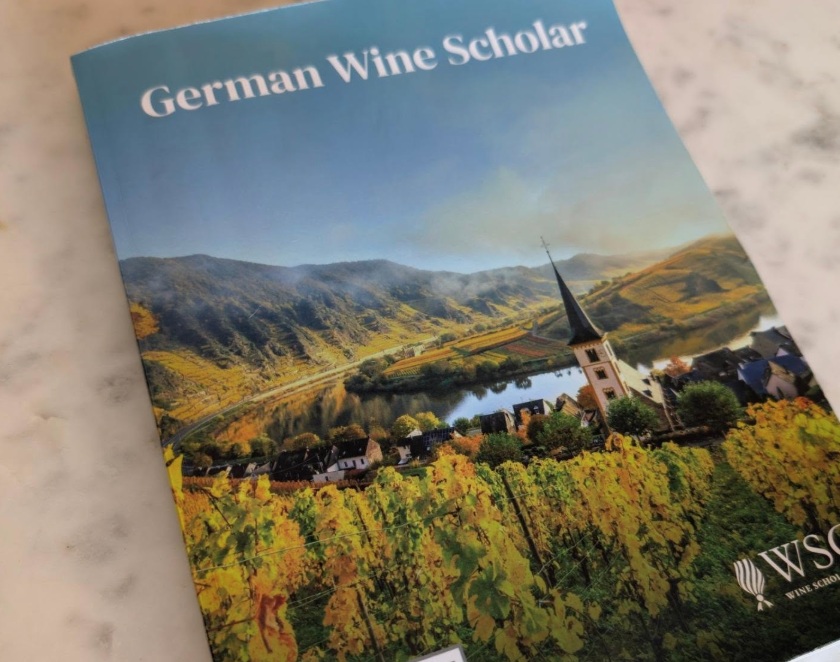
German Wine Scholar Review – A Deep Dive Into Germany

After completing WSET Diploma, I knew I wanted to continue on into more wine studies. This was partly because I like studying wine, but also because I just like studying. So, naturally, jumping into classes by the Wine Scholar Guild was a logical next step for me.

I had found out that the German Wine Scholar option was brand new, such that I could be one of the first students in the world to take it, and I jumped on the opportunity.

It was a beast.

So in this one, I thought I'd share a review of the German Wine Scholar program so you know what you're getting yourself into when signing up!

Note: Although this article is tailored to my experience with German Wine Scholar, I suspect it has a similar tone for other countries at the Scholar level. I passed German Wine Scholar in August 2026.

Read more

How Much Does WSET Diploma Cost? A Detailed Breakdown

Before enrolling in WSET D1, you may be wondering how much does WSET Diploma cost. This is a very good question, and one students really should pay careful consideration to before signing up.

The simple truth is that the true cost of WSET Diploma is likely far, far greater than the listed price of the modules your local school (APP) may show online. Additional expenses like possible travel costs, wine samples, re-sit fees, and more add up in a hurry and could really send your spending out of control.

So in this one, we're going to break down the costs you may expect to have when studying for WSET Diploma and share why the likely range is well over $10,000.

Start saving your pennies now if you want to work on this program!

Read more

How to Request Your WSET Score Breakdown and a Re-Grade

So, you've taken a WSET exam and got your results. Hopefully you have received positive news that you passed. But if you didn't, or are simply looking for more information on your scores, you have some options!

WSET has a little talked-about form where you can request your score breakdown (WSET Level 3 or WSET Diploma only) or “challenge” your result with a re-evaluation (all levels). For those who fail a module, you also are able to request feedback to get insight from evaluators before you re-sit.

So in this one, we thought we'd discuss why you may want to receive a score breakdown and give more details on how the process works.

Note: Prices in this one are based on the listed fees after my last exam in 2023. It is entirely likely that prices will rise over time and may not be reflected in this article. Likewise, note that deadlines may also be liable to change.

Read more

WSET Diploma Review – Is The Wine Program Worth It?

The WSET wine school program includes four levels ranging from introductory Level 1 to mastery Level 4, also known as the Diploma level.

The final level is a two-year wine program that takes an intense and focused dive into the world of wine, from grape growing and production to business and sales with everything in between.

After completing all six modules of the WSET Diploma program, I have some thoughts on whether or not this one was worth it in the long run.

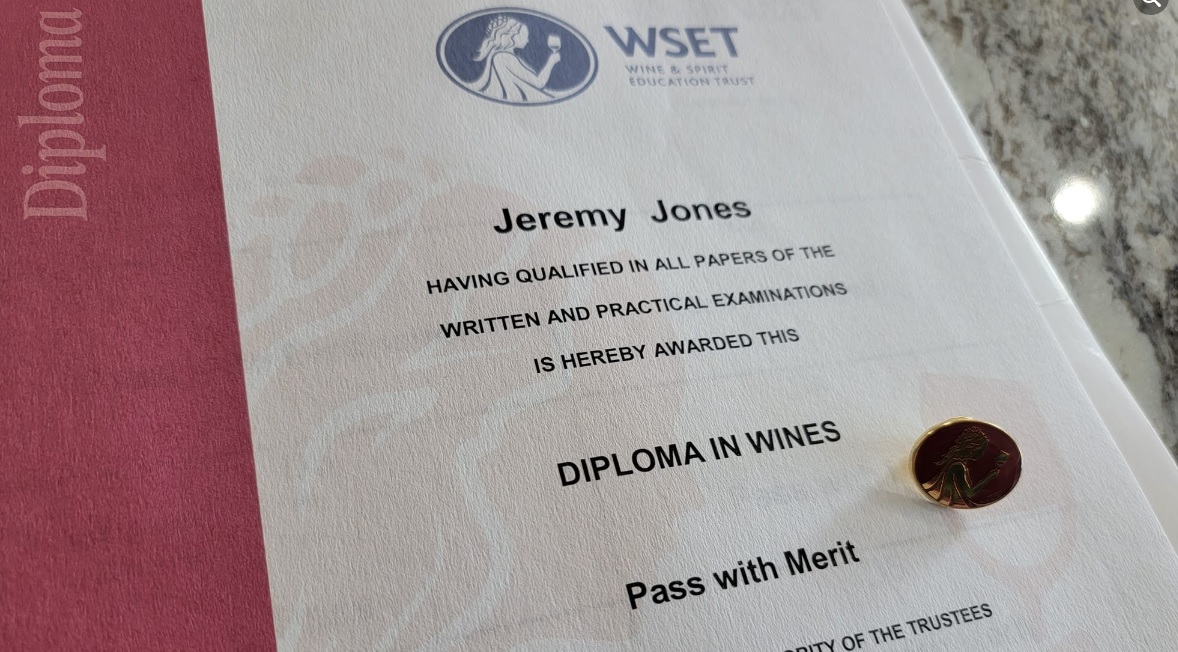
Note: I completed WSET Diploma in 2023 and passed the program with merit.

Read more

WSET Diploma D3 Review – A Deep Dive into Wines of the World

Out of all of the modules in WSET Diploma, I dreaded none more than D3- Wines of the World.

This was partly because the module was massive (the book was about the size of all other modules combined- just under 600 pages) and partly because the test is known to stretch test takers to their very limit over the two-day exam.

Still, after this one I walked away with an incredible appreciation for all things still wine and may even go as far as saying I learned more in this one than any other module, too!

Note: I took the WSET Diploma D3 exam in May 2023 and passed. Test material and structure can and does change over time.

Read more

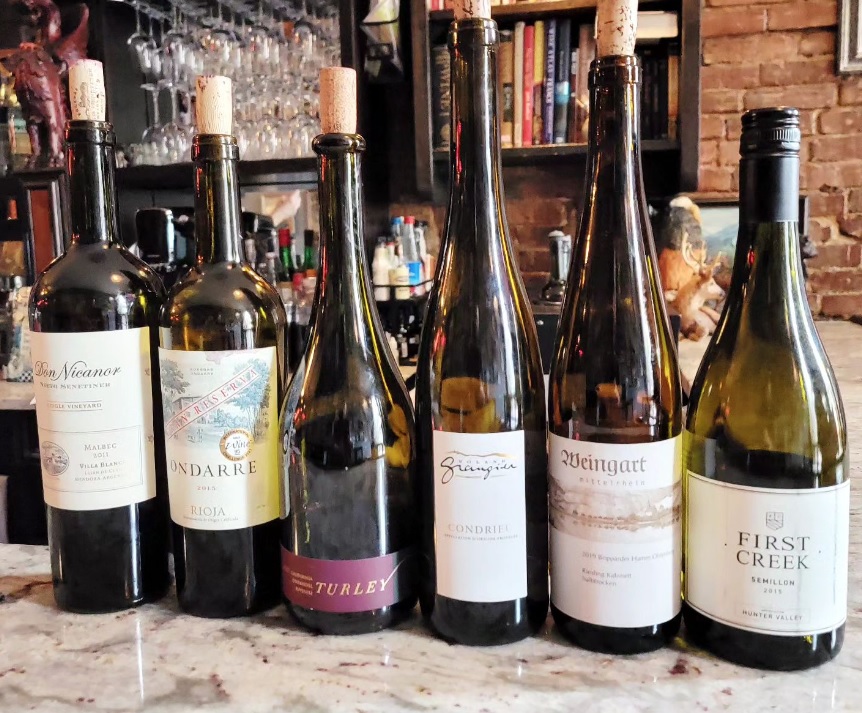
WSET Diploma Blind Wine Tasting – Tips and Advice for D3

One of the things students in WSET Diploma classes must learn is how to taste wine blind. Part of this is simply to get better at tasting wine. The other part of this is that the WSET Diploma exams that have tasting components often require us to identify characteristics in the wine such as its quality, grape(s), country of origin, and production style to name a few.

We'll start this one with some bad news- blind-tasting wine isn't easy. There is no one-size-fits-all approach to blind taste wine and ultimately coming up with the required answers (for a structured course or just for fun).

The good news, however, is that there are several processes you can follow to help you get close if you have to make an educated guess. This involves a robust analysis of the wine in the glass before you and referencing the clues you find to the wine theory you have learned along the way.

Ultimately, for those taking advanced wine classes, like WSET Diploma, being 100% right on guessing the grape, country, or production style is simply bonus points to help increase your score to a merit or distinction level rating. In programs like WSET, you can still pass a tasting exam by having good tasting notes and being wrong on your final guesses- the program cares about you learning to identify the quality of wines above all others, after all.

So let's dive into everything we think about when tasting blind!

Note: I took the WSET Diploma D3 exam in May 2023. Test material and structure can and does change over time. I passed all modules and passed D4 and D5 with merit.

Read more

How to Prepare for the WSET Diploma D3 Exam

Out of the six modules of WSET Diploma, none is more daunting than the D3 exam featuring still wines of the world.

Part of this is because of volume- the module has a ~600-page book with dozens upon dozens of wine-growing regions, hundreds of grapes, and an untold number of facts and figures to remember. Part of this is also because the exam requires you to answer just five questions that could cover all material from a grand perspective all the way down to a technical question on a specific varietal in a unique PDO. But the other part is that the exam spans two days and includes a tasting component featuring 12 wines as well!

As such, this beast of an exam requires a ton of planning to tackle. After finishing this module, much like all other modules in the program, I have some thoughts on how to best prepare for the WSET Diploma D3 exam.

Note: I took the WSET Diploma D3 exam in May 2023 and passed. Test material and structure can and does change over time.

Read more

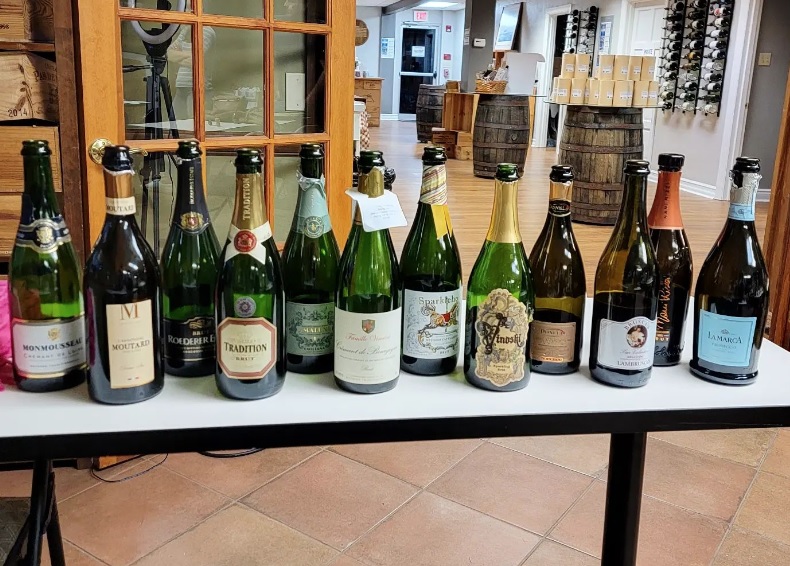
WSET Diploma D4 Review – Sparkling Wine

If there was one module (outside of D3) that I was not looking forward to in my WSET Diploma coursework, it would be D4: Sparkling Wines.

Part of this is because I didn't know that much about sparkling wine outright. Prior to sitting for the exam I had never been to a major sparkling wine region (e.g. Champagne), and I'd only ever been to one winery that primarily focused on sparkling wines outright- and that was just for a tasting, not a tour. Throw on the fact that the differences between sparkling wine regions are nuanced at best, and this module felt like an uphill battle to learn all the facts in its short course.

While I am not going to call D4 enjoyable by any stretch of the imagination (well, the drinking bit was nice as I do like sparkling wine), I have to admit I came out of this one learning a great deal.

Note: I took the WSET Diploma D4 exam in October 2022. Test material and structure can and does change over time. I passed D4 with merit.

Read more