Published by Jeremy. Last Updated on May 29, 2026.
Disclaimers: We use demographic data, email opt-ins, display advertising, and affiliate links to operate this site. Please review our Terms and Conditions for more information. This website is intended for those of legal drinking age in your jurisdiction. To see more of our content, set us as a Preferred Source in Google.
As far as fortified wines are concerned, Madeira is one of our absolute favorites and it all comes from one tiny little island off of the coast of Morocco with the same name.
After visiting Madeira ourselves, and trying most of the wineries on the island, we have to be a little blunt- if you love Madeira wine, you must visit Madeira island!
So in this one, we wanted to share our tips and advice to help you plan your trip!
Madeira Location, Regions, and Styles
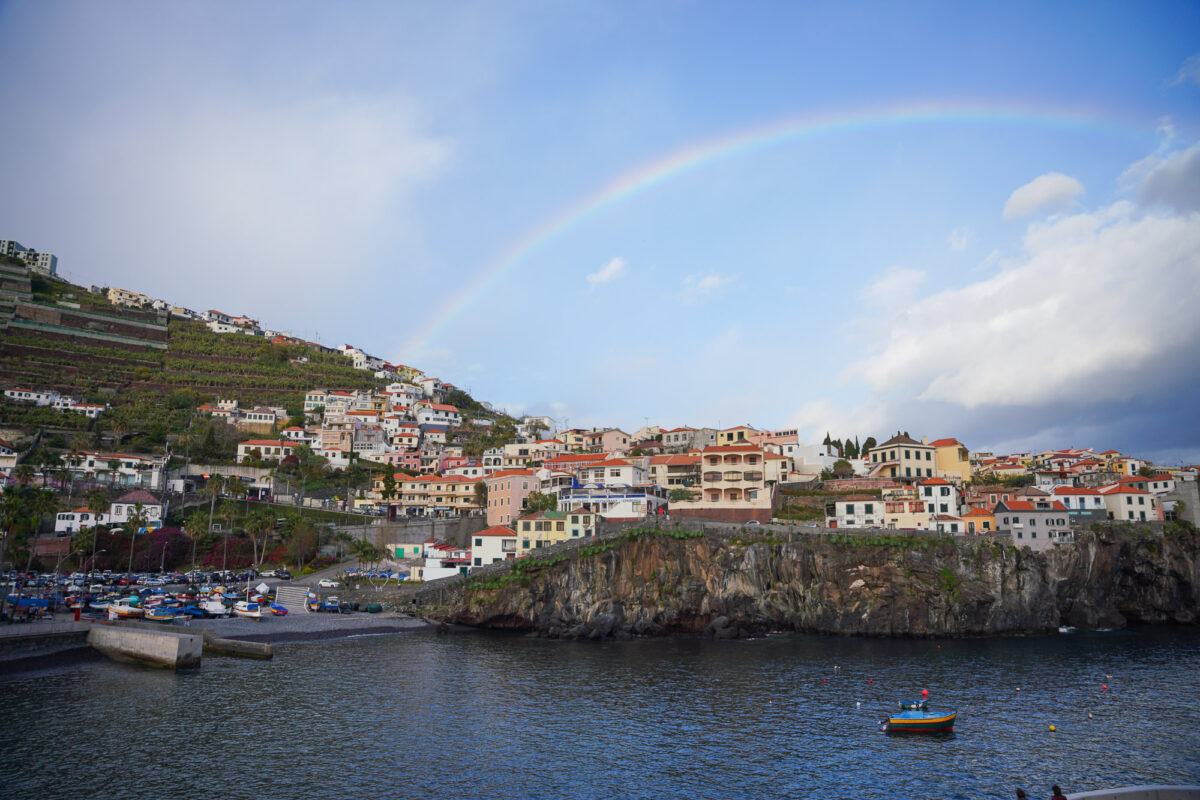
Madeira is located approximately 300 miles west off the coast of Morocco in the Atlantic Ocean. Despite its proximity to this African country, Madeira is actually an autonomous region that is part of Portugal, about 500 miles to the northeast (or just under 2 hours by plane).
So if you’re thinking of visiting Madeira, you would do well to plan for some extra time on mainland Portugal which, as you likely are well aware, is also home to many excellent wine regions like the Douro Valley, the Port wine houses in Vila Nova di Gaia in Porto, and many, many more. (Although there are many international flights available to Madeira outside of Portugal, too!)
The island of Madeira itself is quite small, about 35 miles wide by 14 miles long, but packs in a lot that visitors may want to see that we will cover more of in this guide.
Grapes are grown all over the island alongside many tropical fruits, including bananas (which we found quite interesting since few wine regions are this tropical), but wine production and tasting rooms are mostly concentrated a bit more towards the south with most wineries being located between Camara de Lobos and Funchal.
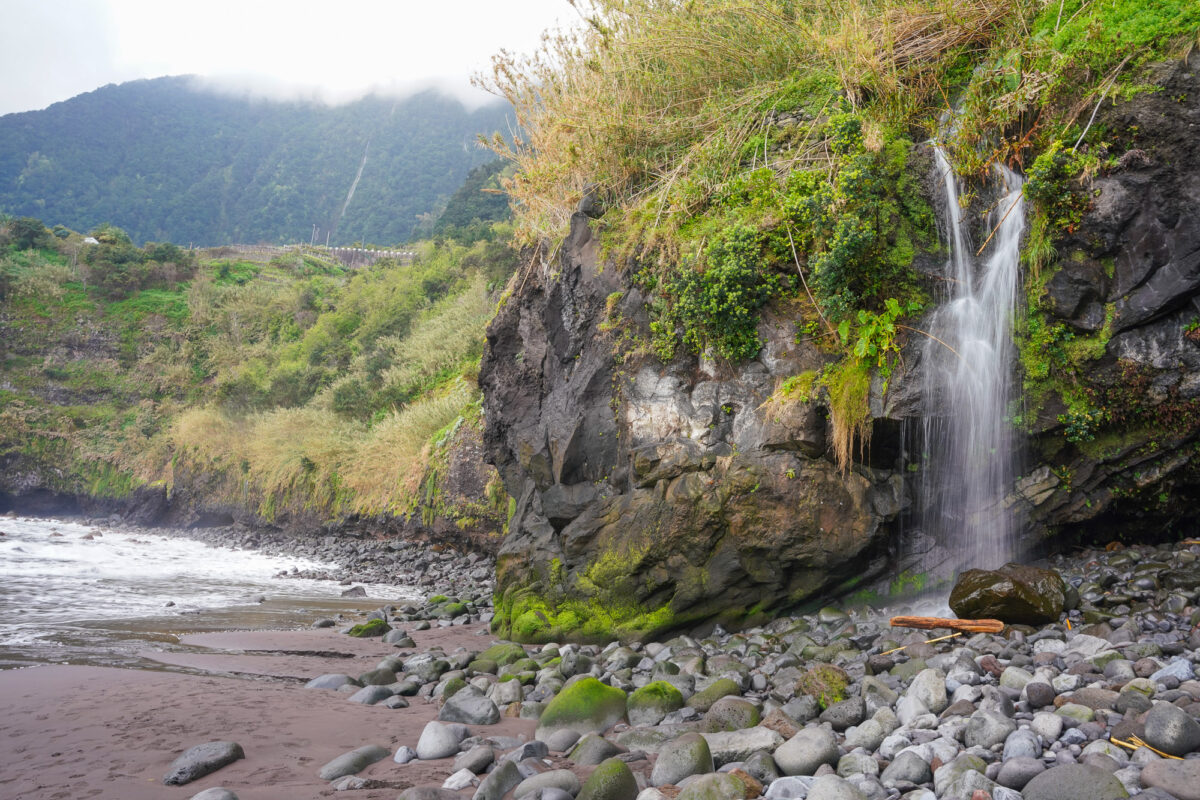
As such, while your tastings may be concentrated in a small location on the island, you’ll be seeing grapes everywhere and learning about how different characteristics of the island result in various flavor developments when on wine tours. But, briefly, the island is covered in many volcanic hills, the south of the island is sunnier with the north being a fair bit rainier, and all this comes together for a wide variety of growing conditions to help give Madeira wine styles their unique complexities!
So, what all should you try while visiting Madeira?
Although some wineries do make still wines with native grapes, like Barbusano Winery (try the Fonte d’Areia made with Caracol and Verdelho if you find a bottle), many producers here focus on the fortified wine style synonymous with the island’s name. If you’re familiar with Port production in northern Portugal, Madeira is made with just a few key differences.
Madeira is produced by fermenting grapes as you would for still wine, adding a fortification spirit after fermentation is complete to increase the alcohol, and then aging the wine either in tanks (Estufagem) or barrels (Canteiro). Where it differs from Port is that rather than storing the wine in cool conditions in a cellar, the wines are actually allowed to heat up in the warm and humid conditions of the island (for Canteiro) or being replicated in heated tanks for faster aging (Estufagem).
This process helps speed up the oxidation process and imparts a bit of flavor difference in the wine due to faster oxidation.
Another element that makes Madeira wine unique from Port is that the grapes themselves are much closer aligned to the styles of wine produced. In Madeira, you’ll likely find single varietal bottles of fortified wine, whereas in Port they are often blends of many different grapes found in the field. So let’s quickly talk about that next.
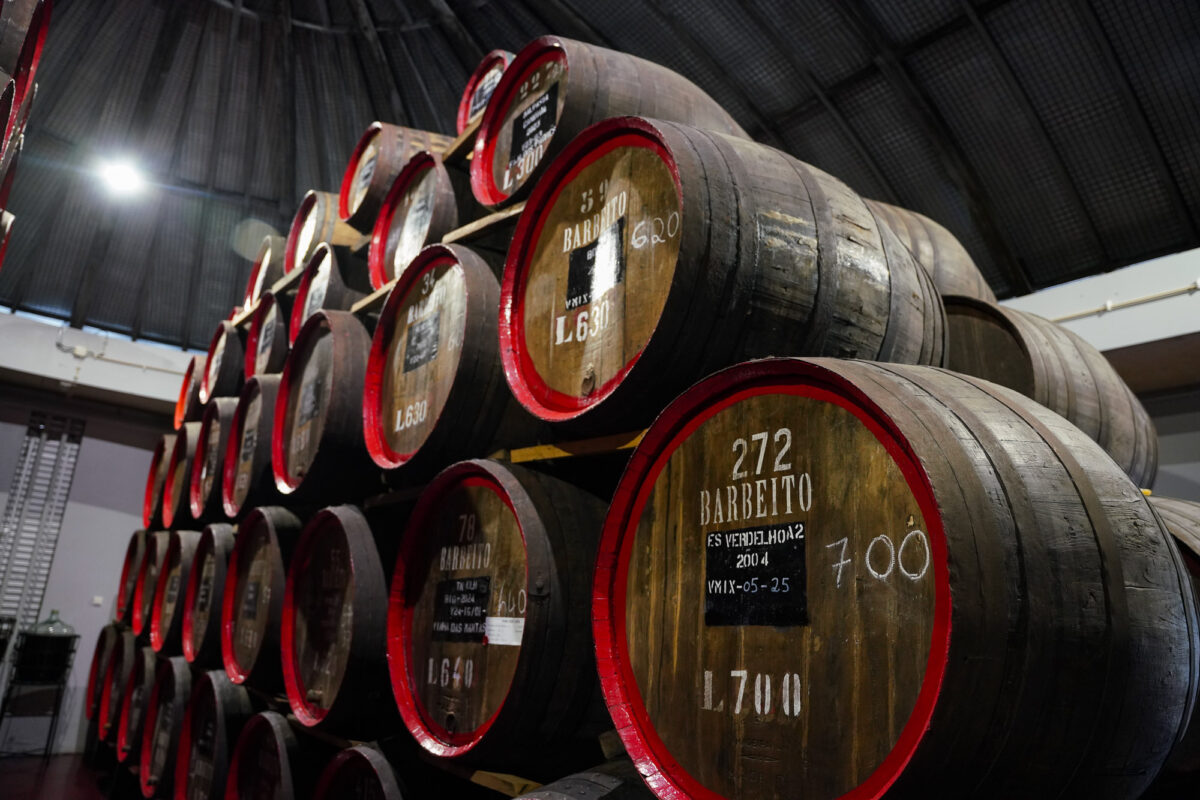
Madeira wine is most commonly made of Tinta Negra, Sercial, Verdelho, Boal, and Malvasia (sometimes called Malmsey) grapes, with some wineries having smaller holdings of Bastardo, Complexa, and Terrantez as well.
Tinta Negra, one of the only red grapes used in fortified wine in Madeira, is often made in the Estufagem process and sold as young wine, often with just three or five years of age. If you see a bottle of wine with only an age indication on it and no grapes (and, likely at a cheaper price point), odds are good it is Tinta Negra.
For the remaining grapes, you’ll most likely see their names listed prominently on the bottle. While each winery makes theirs a little bit different, a common trend you’ll find is that Sercial tends to be the driest in the lineup, Verdelho next still on the drier side but perhaps with a tish more sugar, and then Boal and Malvasia push to the two sweeter end of the spectrum. We often find Sercial and Verdelho go best with savory meals as an aperitif and Boal and Malmsey, being sweeter, are a good digestif with dessert. All of these are typically aged in the oak, Canteiro process.
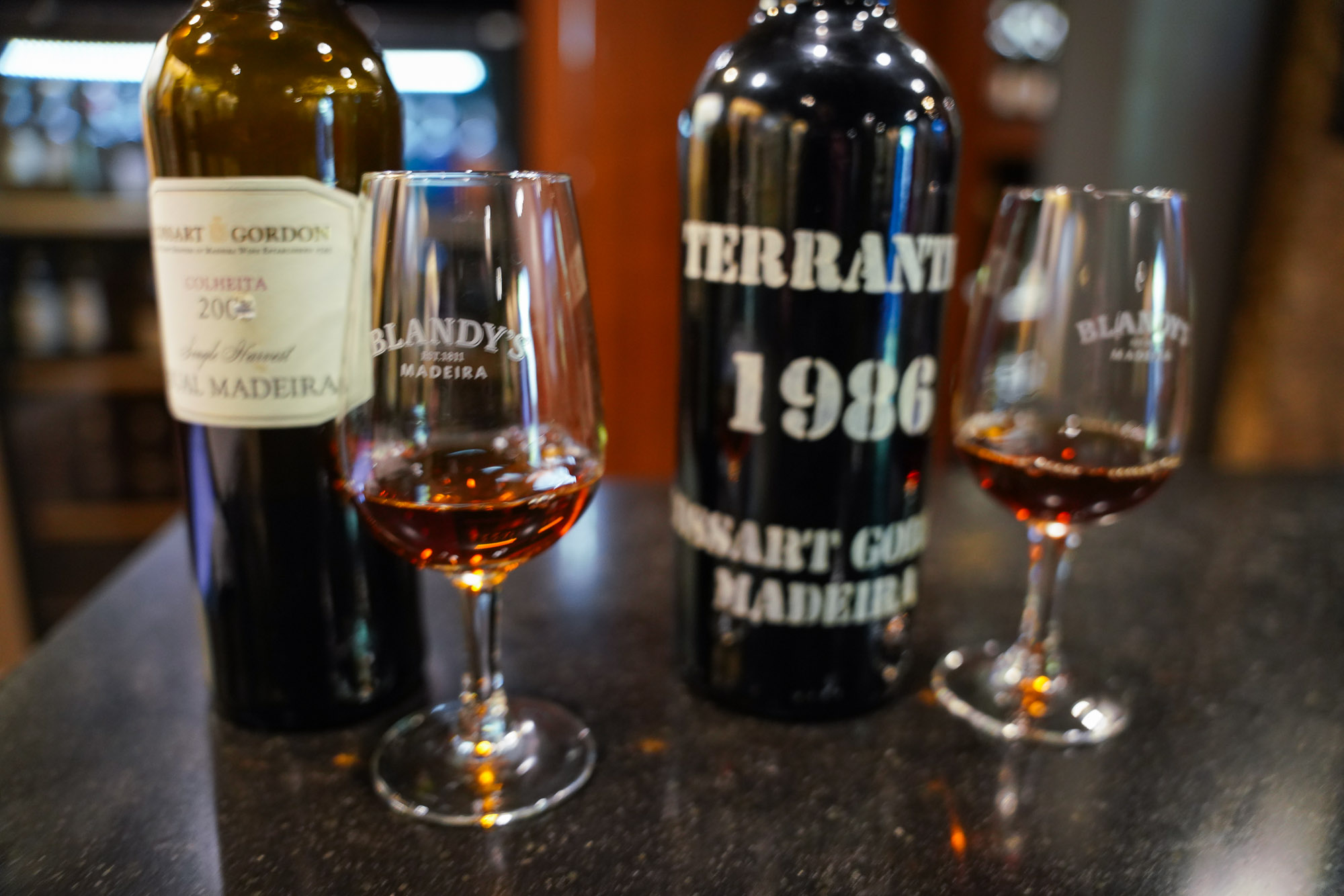
From there, you may see variants of age indications like 10 year or 20 year, which are blends of several vintages to mimic a style reflective of what that age indication should be and single vintage bottles. For single vintages, you may find some named Colheita (bottled with 5-20 years of age) or Frasqueria (20+ years of age)- the latter of which are often the most prestigious and expensive bottles at a winery.
As fortified Madeira typically does not develop more once in bottle, the amount of age the wine has in oak will be reflective of if its flavor characteristics- younger wines may be more fruit forward, while older bottles (20-30+ years) may develop more tertiary characteristics like dried fruit, nuts, and more.
- Note: When buying Colheita and Frasqueira Madeira, it is always important to check the bottling date on the back label. While the wine can last virtually forever if properly stored, checking the bottling date will give you an indication of just how long the wine was in oak and, of course, how long that bottle has been sitting around since bottling.
Suffice it to say, if you are visiting Madeira to go wine tasting, you really have your work cut out for you because you should try everything and figure out what you like best! Even if you think you know what styles you prefer (which, for us, was 10-20 year Boal, Malmsey, and Terrantez), you may be surprised when you try bottles at any given winery as we ended up also falling in love with Frasqueira Verdelho, too!
When to Visit Madeira
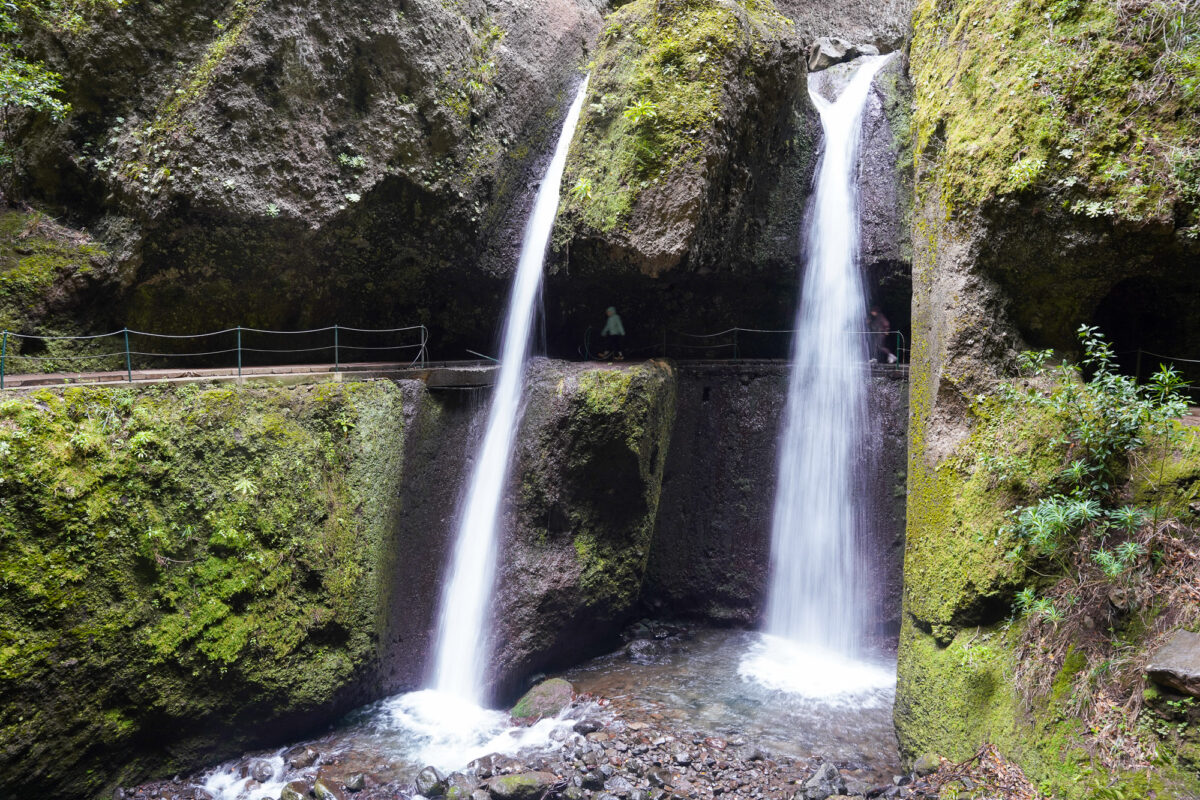
Although Madeira’s weather is pretty comfortable year-round (Madeira has the nickname “Island of the Eternal Spring” for good reason), the winter months from November to March are often rainier and, perhaps more important, windier such that visiting during these months is not advised.
So while you should expect to see rain in any given visit, and perhaps a fair bit of rain at that, any time outside of winter is likely going to have similar weather.
During our April visit, for example, we had some of the best weather the island had seen in months (since true spring had just began), but, despite that, it was still quite windy, with periodic rains, and we saw many, many flights from mainland Europe get delayed or canceled outright because of this. (The approach planes must take to the airport is tricky, so any sufficient wind can cause flights to have to delay or divert before landing- if you’re afraid of flying we don’t recommend watching videos of arriving flights.)
This perhaps speaks to a different question, not so much when to visit Madeira, but rather how long to visit Madeira as your flight can, and very likely might, be impacted both going into and out of the island. We had no issues on our flight to Lisbon, thankfully, but guests at the Airbnb before us were apparently stuck on the island for at least four extra days because their flight to Germany just could not land to pick anyone up. Whether that is dependent on airplane size or distance traveled, we’re not sure, but the recurring theme we heard was that the wind makes landings difficult, so we’re going with that.
This could happen to you flying to Madeira, coming back, or both, and makes for a very important note- you really should plan for a fair bit of time on Madeira proper just in case your trip gets delayed (a week or more is ideal, especially if you want to go hiking), do not stack any must-visit bookings towards the start of your trip, and do not have a separate international flight ticket booked home shortly after returning to the mainland. The more time you have, and the more space between separate flights/important bookings the better, because you are dependent on the weather in Madeira moreso than other destinations.
- Anecdotally: We tried to get a reservation to the Michelin-star restaurant, Desarma, in Funchal, and were put on a waitlist as reservations were full. We were called the day before informing us that reservations were available. As it turns out, the restaurant was almost completely empty that night and the only thing we could think of that would possibly explain it is that many people’s flights were canceled and they had to miss the reservation. While this is just a gut feel, this is one reason why we recommend staying longer and making those coveted reservations for later in the trip- if you are delayed, you may miss something special!
Planning Where to Stay in Madeira
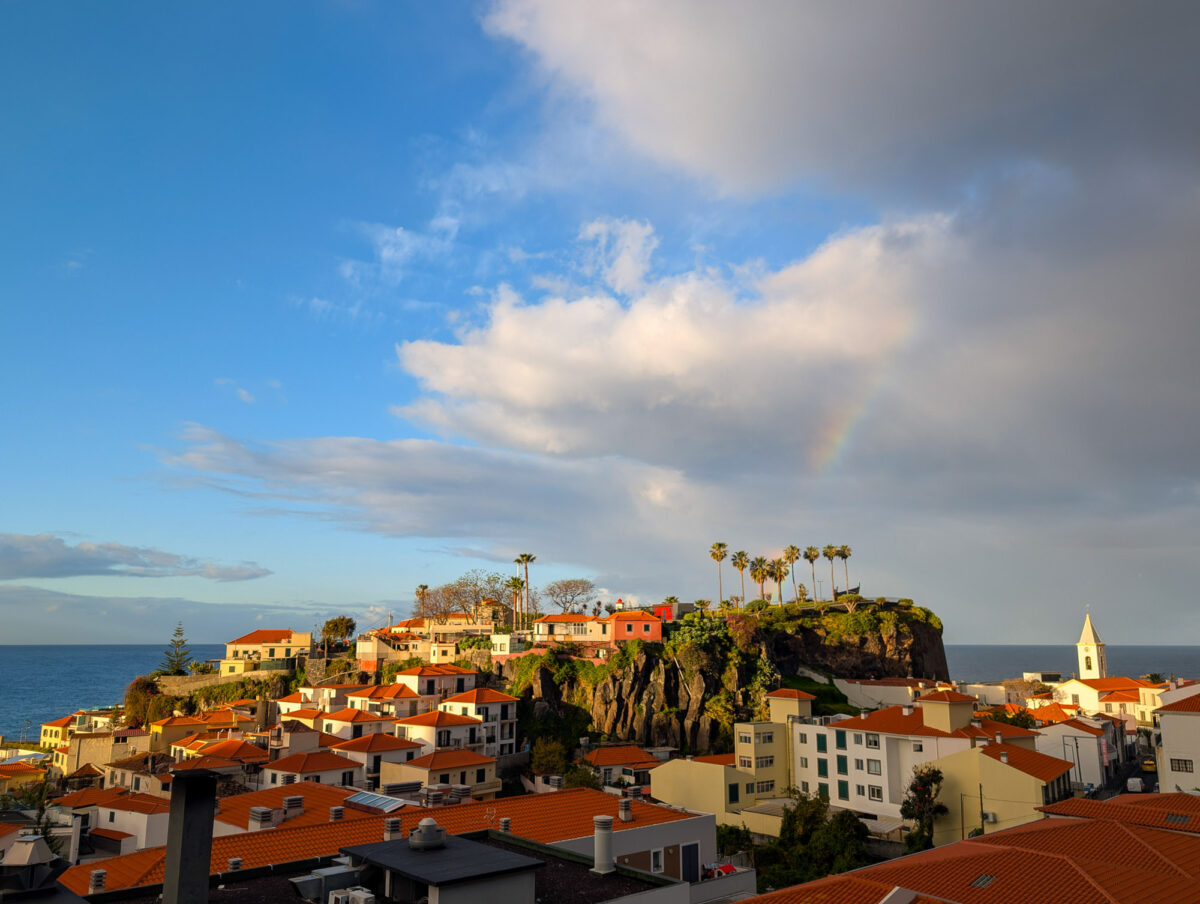
As previously mentioned, the vast majority of wineries on Madeira are located along the southern coast between Camara de Lobos and Funchal, within a driving area of about 20-30 minutes.
Given that traditional Madeira wine is also fortified (read: above 20% ABV), you’ll do well to pick a location to stay that is close to the wineries to minimize driving times or, in the case of Funchal, in walking distance outright. (But as always, be sure to spit if you’re going to drive.)
In Funchal, H.M Borges, Blandy’s, and D’Oliveira were all within walking distance of the city center, and Justino’s was building a new tasting room in town during our visit. In Camara de Lobos, Henriques & Henriques was also located within walking distance of the Baia (we stayed here and absolutely adored it) and Barbeito is just a short drive up into the hills from there as well.
So, naturally, staying in close proximity to Camara de Lobos or Funchal could be a great option for those who are prioritizing wine tastings while visiting Madeira.
That said, the island of Madeira is also known for its excellent hikes and beautiful nature, and some of the top hiking trails on the island are found along the northern coast as well. If you have enough time to stay in two areas, you may want to do what we did and have a few days in the north to be closer to the best hiking trailheads (we stayed outside of Sao Vicente here), and a few days in the south to be closer to the wineries and cross your fingers that the weather holds out for your hiking days.
But if you’re looking to visit purely for wine, stick to the south, and if you’re looking to stay outside of the city center, keep Camara de Lobos in mind!
Driving vs. Madeira Tours
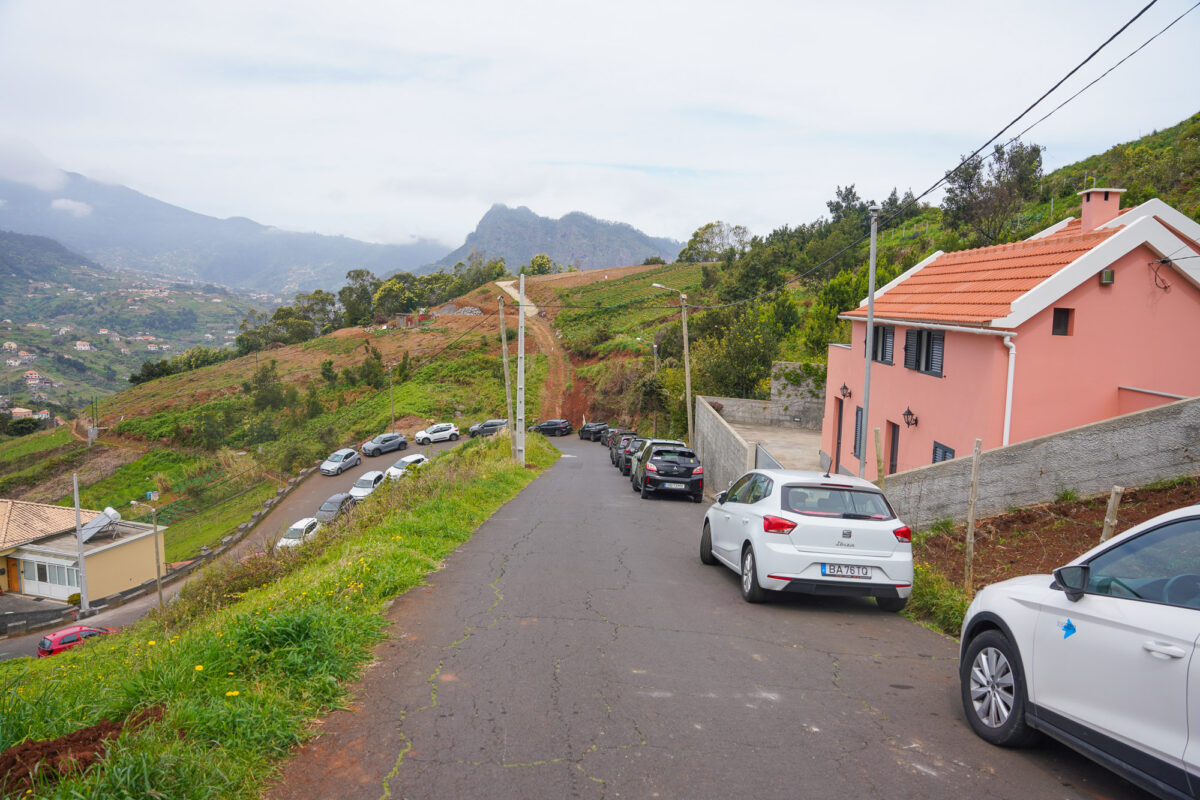
Given that Madeira is fairly small, and that the wineries on the island are clustered within a small area of each other, the island lends itself for options to explore with a car (click here to book) and without a car as Camara de Lobos can be easily reached from Funchal by bus.
So while many wine tours exist, you do not necessarily need to take one unless you want a driver or can find a tour that gets you to a further flung winery that is not within walking distance of Funchal or Camara de Lobos (namely, Barbeito, or for still wine, Barbusano, which had one of the only poor roads we drove on throughout the island).
In a perfect world, we highly recommend having a car. Driving in Madeira is fairly straightforward despite the crazy hills and some narrow roads, and having a vehicle opens up exploration, hiking, and more while also being able to enjoy wine tasting. But, on the flip side, since you can reach many wineries without a car, it is not entirely necessary unless you are among the most passionate about wine, like us.
In other regions, we would have more focused recommendations on when someone would want to take a tour, but given that you’re already going to a fair bit of trouble to fly into the remote island, the options of renting a car or taking a bus between the towns are two excellent choices.
But we would be remiss if we did not also mention that out of all of the wineries we personally visited, Barbeito was our favorite by a wide margin, and to go there, you will likely want to have a rental car as it is not very accessible to a town center.
To read more about what driving in Madeira is like, click the previous link!
Wineries in Madeira to Visit
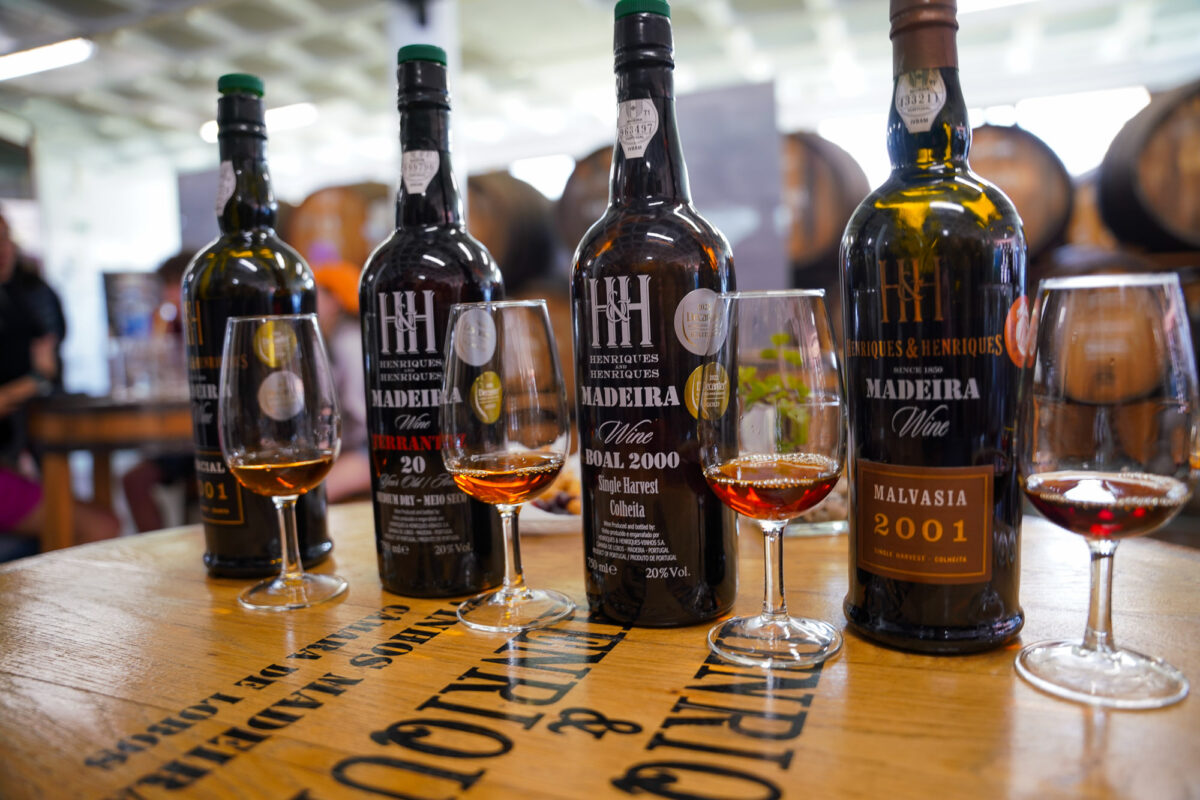
So, what wineries should you visit in Madeira? Thankfully, the island is quite small and there are not that many producers and, of those, only a handful have the opportunity for guests to tour and/or taste.
This makes it a bit easier for visitors to visit almost all of them! For a starting point, we recommend the following:
For fortified wines on the island, consider:
- HM Borges – Tours are in large groups and guests can pick which flight they want to try at booking, and if you’re visiting with others they are pretty good at swapping out bottles so you can try more if sharing
- Blandy’s – Blandy’s offers tours at the wine lodge in Funchal and at a vineyard site just outside of the city, and also has tastings by the glass for other brands in their portfolio, like Cossart Gordon which we recommend trying during a visit
- D’Oliveiras – A winery known for its large Frasqeuira lineup; however, the Funchal tasting room only offers free samples of their entry-level wines of 3-5 years (good for a quick stop)
- Justino’s – Another winery in Madeira; however, was building its tasting room in Funchal during our visit
- Henriques & Henriques – A winery located in Camara de Lobos with free tastings of young wines for walk-ins (groups less than 6 do not need a reservation) and paid flights of premium wines to sample
- Vinhos Barbeito – A premium Madeira wine producer located in the hills outside of Camara de Lobos- book the Platinum tasting in advance for one of the best tastings on the island and thank us later
For still wines on Madeira, you may want to check out:
- Barbusano – A rural still wine producer located outside of Sao Vicent with exquisite views (and no fortified wine) but just watch out for the rugged drive in as the road was in quite poor condition during our visit
Beyond these, we found many more still wine producers on the island served at restaurants and on sale at local stores. We didn’t get the impression that many of these had options to visit per se, so just be on the lookout for additional wines to try when on the island too. The above is just a start!
For more on the Madeira wineries we personally visited on our trip, we recommend reading the article at the previous link!
Buying Wine in Madeira vs Mainland Portugal
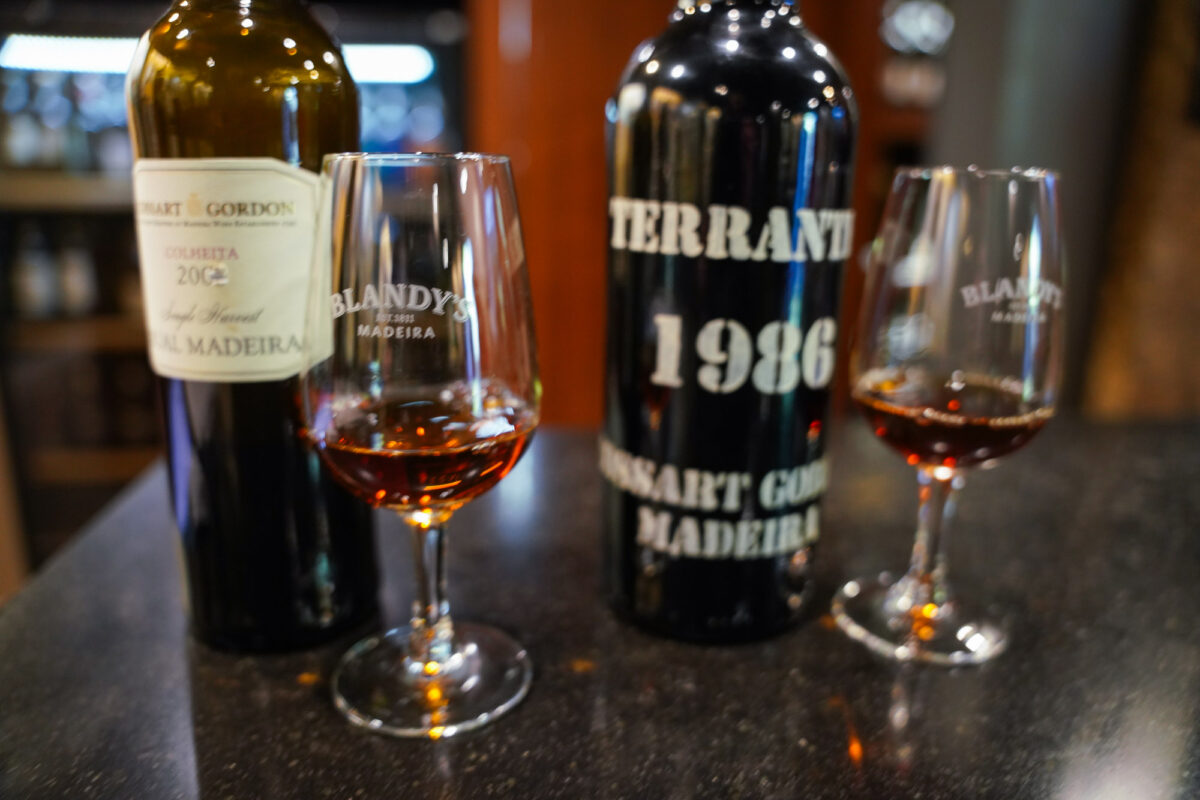
When it comes to buying Madeira, there is no better place than to buy it directly at the source as virtually every winery we visited on the island had a selection better than anywhere else- including at wine-forward stores you may find in Funchal or in other stores on the island.
The degree of this varies considerably, of course. Barbeito had many bottles we had never seen at all, including on mainland Portugal, whereas others typically had more options on the higher-end variety only- particularly in the vintage Colheita and Frasqueira end of the spectrum. This is not always the case, but in our experience are where some of the shopping opportunities come into play while on the island.
In the vast majority of cases, buying at the wineries will also give you the best prices as well; however, we did note that some like Henriques & Henriques were much more expensive for cellar door sales than and nearby shops- for bottles that are distributed a bit more, at least. For a bottle of H&H’s 20 year old Terrantez (my favorite bottle they make), we saved about 20 Euro simply by driving to a Pingo Doce in other towns where they were readily available. So while many wineries do offer competitive prices, this is not always the case.
As such, if you are serious into shopping, we would do the following.
First, if you are lucky enough to be returning via the same city in Portugal you departed from, like Porto or Lisbon, we’d recommend snapping some photos at wine stores like Garrafeira Estado D’Alma (Lisbon) or Garrafeira Nacional (Lisbon and Porto locations) before flying to Madeira to see what their inventory and prices are like.
In many cases, we found several bottles available at these stores for just a few Euro more than in Madeira but still far cheaper than in the USA. Given that we had weight restrictions flying back to the mainland (on RyanAir where we had one checked bag each at 44 lbs each) and less so on our international flight home (on United where we had four checked bags at 70 lbs each), we were strategic on where we bought bottles to maintain weight. So if you are spending any length of time in a city both before and after visiting Madeira, it presents a good opportunity to price check as you may be able to buy the same bottle at a good store on the mainland for just a couple Euro more.
More suitcase room for Madeira Island exclusive bottles please!
Second, do the same on Madeira before going wine tasting if your time allows. Many stores carry wine, and nicer Pingo Doce grocery stores have a fairly good wine area as well. You may find a bottle and find it sit elsewhere for a better price, like we did with our H&H 20 Year Terrantez as noted above.
Finally, if you do have weight limit requirements, you may want to inquire about shipping as some wineries and most wine stores offer this as an option. But like most European wine regions, shipping throughout mainland Europe is often fairly reasonable, yet shipping abroad to the USA or Canada becomes cost prohibitive in a hurry. As such, we packed a few dozen Wine Skins in our suitcase and brought bottles back the old fashioned way, as we always do.
Non-Wine Activities in Madeira
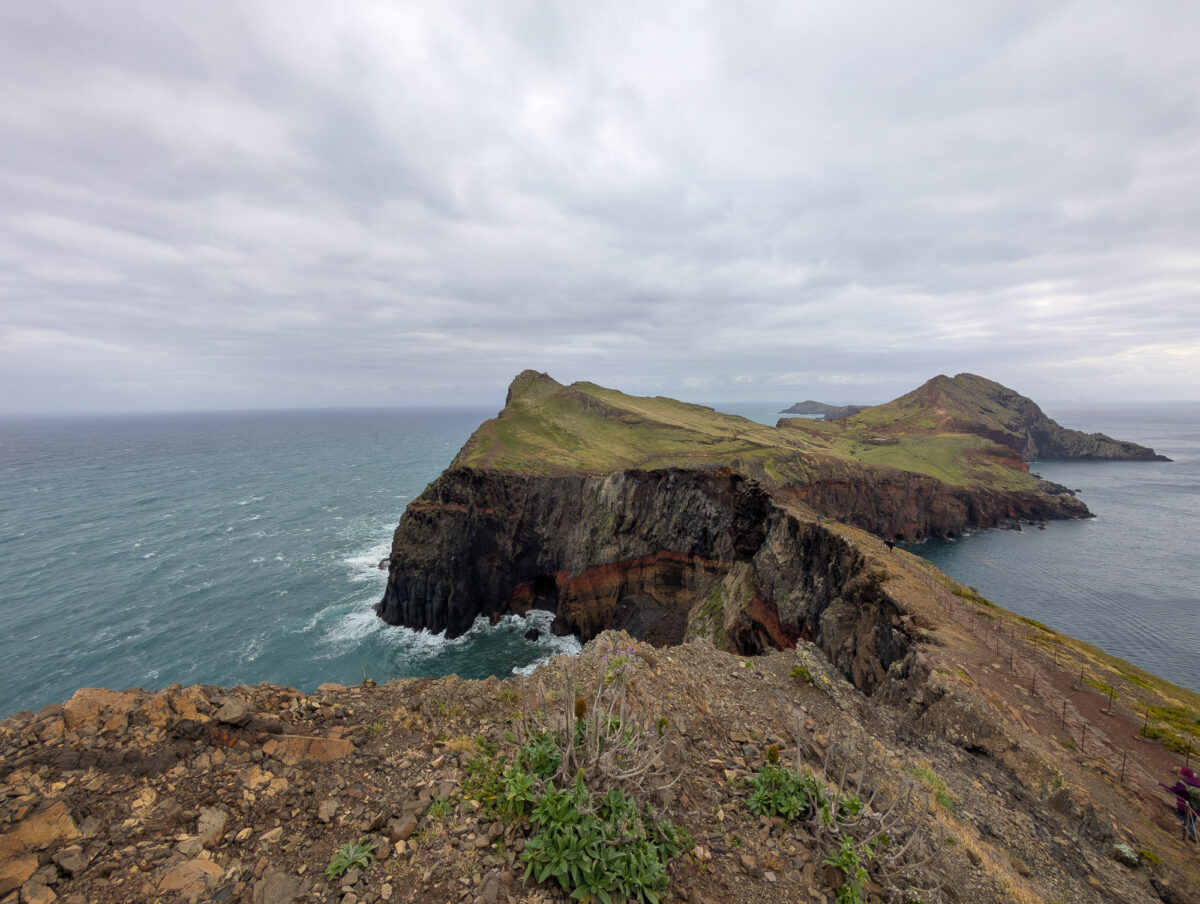
Finally, as previously mentioned, there is far more to see and experience on Madeira than just visiting the wineries as the island is a natural wonder with scenic lookouts, epic hikes, and so much more.
Although we’ll be the first to advocate for renting a car and driving around the full island (which, while doable in a single day, is best served with 3-4 days to hit various corners- particularly when hiking), there are a number of tours you may want to consider if you are going car-free. These include the following:
- Wine and Food Tour in Funchal
- East Madeira Guided Tour with Hike
- West Madeira Guided Tour with Waterfalls
Suffice it to say, given the effort required to reach Madeira, it’d truly be a shame to only visit the area in and around Funchal and Camara de Lobos. Yes, these two areas are wonderful. Yes, Camara de Lobos may have been our favorite town on the island. And, yes, that’s where the wineries are. But Madeira is a gorgeous destination at all corners of the island, so if you’re going to the trouble to visit, lean into it, get the car, and explore!
Overall, Madeira is truly a mind blowing destination, both with and without the wineries, and visiting this one for wine is only one highlight worth seeing on the island. So whether you’re only passively into wine or a die-hard like us, do yourself a favor and book a few wine tastings and tours in between all of the other experiences. We’re already talking about when we can return for another visit!
Do you have any tips for taking a Madeira wine trip? Comment below to share!
Traveling Soon? Protect Your Trip

Protect your next trip with a travel insurance policy from World Nomads!
Upgrade Your Home Wine Bar
Need to upgrade your wine bar? Grab some new wine accessories: