
Published by Jeremy. Last Updated on September 17, 2025.
Disclaimers: We use demographic data, email opt-ins, display advertising, and affiliate links to operate this site. Please review our Terms and Conditions for more information. This website is intended for those of legal drinking age in your jurisdiction.
When studying wine in the WSET program, we quickly realized that there were hundreds upon hundreds of wine terms we had to know.
Many of these were about the grapes and regions themselves, we will admit, but there were countless others we had to know for grape growing, winemaking, sales, tasting, service, and more.
So in this one, we thought we'd share some common wine terms and their definitions so you can hit the ground running when talking about wine!
Note: Are we missing some terms? Probably. There are far too many wine definitions out there for one single article. But we had to start somewhere, so here we are!
Viticulture & Grapes Definitions
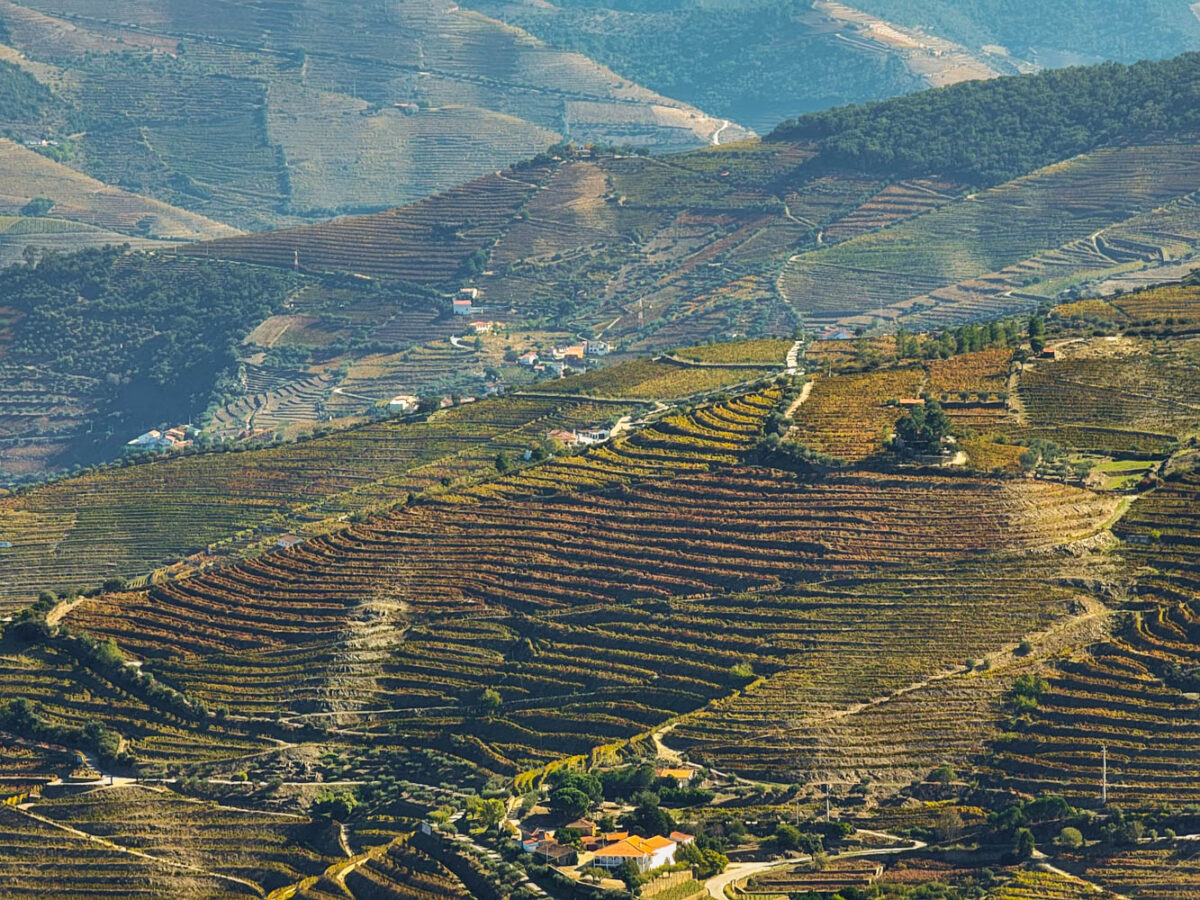
To make wine, first we have to grow grapes. Viticulture is all about the activities going on in the vineyard to prepare the land, grow grapes, and harvest. So if it is happening in the field, you will wnat to know a few of these grape growing definitions.
- Vitis vinifera — The main species of grapes used in winemaking, primarily originating from Europe and Central Asia.
- Clone — Grape vines that are reproduced to preserve specific traits.
- Rootstock — The bottom part of the vine that includes the roots, often selected for specific pest and disease resistance (e.g. phylloxera).
- Phylloxera — A small vineyard pest that devastated root stocks in the 19th century, often avoided by grafting vitis vinifera onto American rootstocks.
- Grafting — The process of attaching a desired vine onto a rootstock of another plant.
- Canopy management — The process of training vine growth and leaf orientation to allow for air flow, sunlight, and other conditions that aid in ripening.
- Yield — The amount of grapes harvested per a certain vineyard area, often based on the amount of final wine produced (e.g. hectoliters per hectare).
- Terroir — A term for the regional conditions influencing wine, such as soil, climate, land orientation, etc.
- Microclimate — Localized weather considerations specific to a unique vineyard/plot/region
- Organic viticulture — Growing grapes without synthetic chemical addition.
- Biodynamic viticulture — Growing grapes with respect to solar and lunar cycles, amongst other traditions.
- Sustainable viticulture — Growing grapes in a way that respects the soil, local climate, etc. (e.g. avoiding waste like overwatering, minimal chemical use).
- Old vine — Vines with many decades of age, often producing lower yields with more desirable flavor concentration.
- Trellising — Vine training materials (such as wood and wires) to allow the grapes to grow vertically.
- Pruning — Manually cutting/shaping vines to achieve a desired outcome such as limiting vegetative growth or allowing the vine to focus on grape ripening.
- Veraison — When grapes begin to change color and ripen.
- Botrytis cinerea — A fungus that can, in the right conditions, cause noble rot- a condition where grapes begin to dry out, concentrate flavors, and result in a uniquely sweet wine desirable in some conditions/regions (e.g. late harvest, Sauternes, etc.).
- Green harvest — Removing green, unripe grapes to control yields and allow the vines to focus on quality grape production.
- Irrigation — Adding water to vines via an external source.
- Dry farming — Not adding water to vines and relying solely on rainfall and natural conditions.
- Cover crop — Plants that may be grown between vines to provide nutrients into the soil, deter pests, etc.
- Canes — Old vines kept from the previous season to allow for new buds to grow in the upcoming season.
- Cordon — A permanent branch kept over many years to allow for new buds to grow in the upcoming season.
- Guyot — A training method where one cane is bent horizontally for new buds to grow from.
- Bush vine (gobelet) — A vine that is often free-standing and low to the ground, grown a bit like a bush.
- Pergola — Training grapes to provide a canopy, often overhead.
- Heat summation — A measure of a vineyard's heat capabilities (can also be measured by seasonal average temperature, average sunny days, or other proxies).
- Diurnal shift — The temperature swing between day and night.
- Continental climate — A regional climate type, typically marked by hot summers, cold winters, and variable seasons.
- Maritime climate — A regional climate type, typically marked by moderating influences of the ocean with more stable weather, but often more rain.
Winemaking Terminology
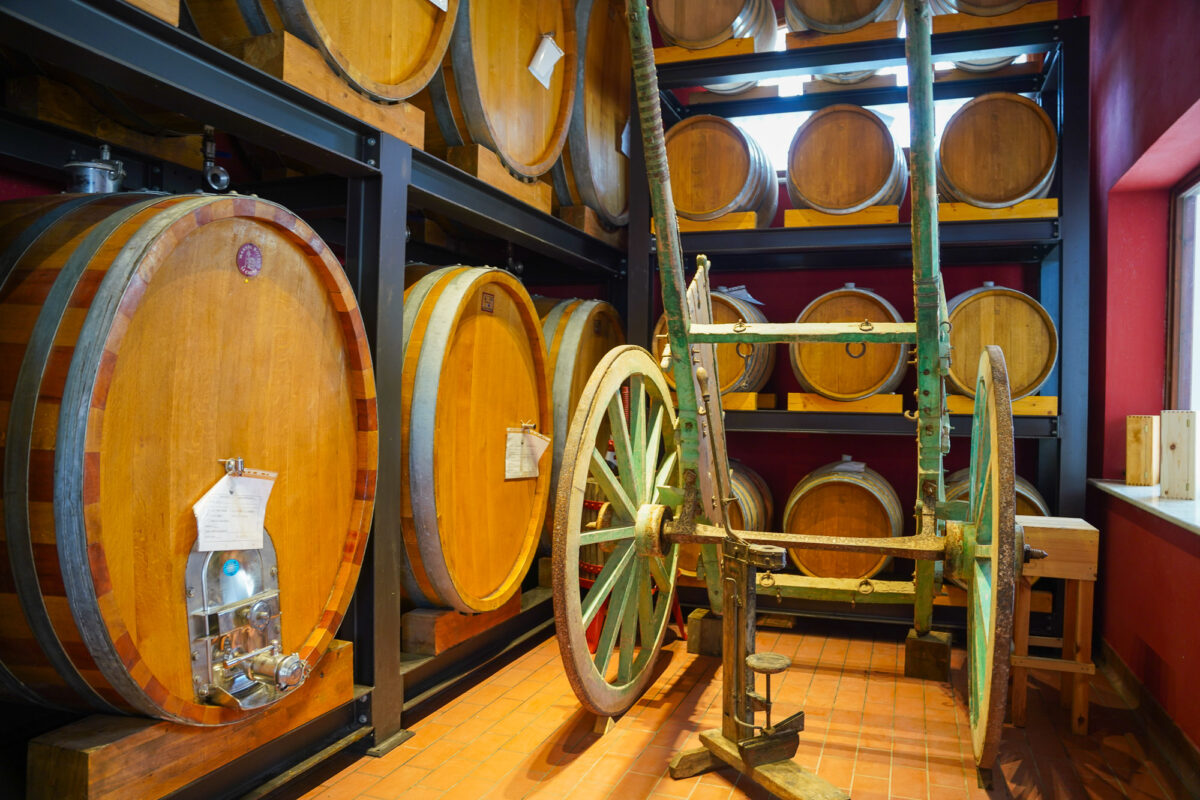
Of course, growing grapes is only half of the process, and the winemaking steps cover everything that goes on inside the winery proper. From receiving the grapes to crushing, fermenting, maturing, and bottling, these are all excellent winemaking definitions to know.
- Vinification — All steps that are done in the winemaking process, typically from the arrival of grapes to bottling.
- Crushing — A winemaking step where grapes are pressed to break the skin and release juice.
- Destemming — A winemaking step where wood stems are removed.
- Maceration — Soaking grape juice on the skin to extract color and tannin.
- Fermentation — The scientific process by which yeasts turn sugar into alcohol.
- Alcoholic fermentation — The main fermentation in wine where alcohol is produced.
- Malolactic fermentation (MLF) — A secondary fermentation where malic acid can be converted to lactic acid, often to express flavors of cream, butter, etc. in white wines and lighten the perceived acids.
- Cold soak — A pre-fermentation extraction at cold temperatures.
- Carbonic maceration — A process in which whole, uncrushed grapes are fermented in the presence of CO2, often creating lighter, fruitier flavors.
- Lees — The spent lees and other grape solids left over from fermentation, which can impart additional flavor when in contact with wine over a period of time.
- Sur lie aging — A term used for wines that have been aged on the lees, often expressing notes of toast, brioche, etc.
- Racking — A process for allowing sediment to be removed from wine.
- Fining — A process for removing particulates from wine using chemical agents.
- Filtration — Removing solids from wines using a fixed barrier.
- Blending — The process for combining more than one wine to exhibit a combination of flavors (e.g. adding a small amount of oaked white wine with non-oaked white wine to express more nuanced flavors).
- Oak aging — Adding wine into oak barrels (can be new or used) to allow the wine to mellow out over time with minor oxygen contact or to impart flavors from the oak.
- Barrique — A 225 L barrel, typically used for aging.
- Foudre — A large oak cask, which can be used for fermentation or maturing wine prior to bottling. A smaller oak-to-wine ratio than in Barriques, which often limits oak flavors being imparted.
- Stainless steel tank — A neutral vessel for fermentation and maturation.
- Concrete vat — Custom vessels that are often more temperature-stable and slightly porous for oxygen contact.
- Amphora — Historic clay vessels used in the production and aging of wine, common in central Asia and gaining popularity in other regions.
- Punch down (pigeage) — A step where floating grape skins are pushed back into juice during maceration to aid in extraction.
- Pump over (remontage) — A step where grape juice is pumped over the floating grape skins to “break the cap” and aid in extraction.
- Cap — The floating layer of grape skins during the maceration process.
- Extended maceration — Continuing skin contact, often after fermentation, for additional color and tannin extraction.
- Cold stabilization —A process to chill the wine and precipitate out solids, such as tartrate crystals, which can be removed before bottling.
- Chaptalization — Adding sugar in grape must to increase the production of alcohol during fermentation.
- Acidification — Adding acidity in grape must to influence the final characteristics in the wine.
- Deacidification — A process to reduce acidity in grape must to influence the final characteristics in wine.
- Reverse osmosis — A filter type that can remove dissolved elements in wine, typically alcohol or acidity.
- Crossflow filtration — A filter type that can remove non-dissolved solids in wine.
- Pasteurization — A process where wine is held at an elevated temperature to ensure no undesired microbes are present that could spoil the final product.
- Flash détente — Rapid heating and cooling to aid in color extraction.
- Cryo-extraction — Freezing grapes to break cell walls and control extraction.
- Micro-oxygenation — Addition of fine bubbles into wine to help soften harsh tannins.
- Stabilization — Adjusting the wine to prevent color changes, precipitation of unwanted solids, and more.
- Must — The crushed grape juice that often contains skins and other grape elements before turning into alcohol.
- Pomace — The solids left after winemaking.
- Press wine — Wine that is extracted under pressure.
- Free-run juice — Juice (or wine) that flows freely under gravity from a tank- this wine may have different characteristics from wine that is later pressed. Can be held separated and blended later to achieve a desired final product.
Wine Styles
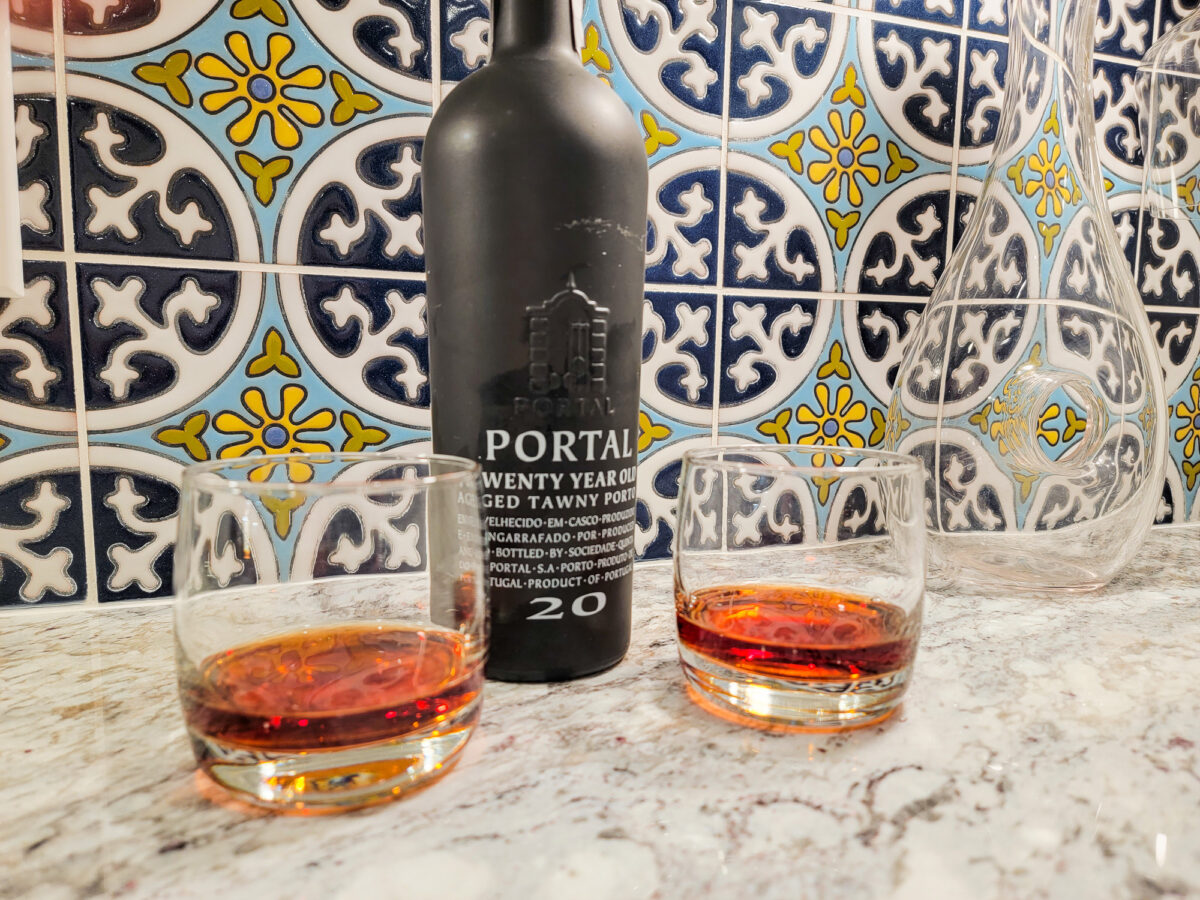
Within winemaking, producers will likely consider an array of wine types to make. Some are fairly well set due to grape characteristics (and even local laws), but others, like red vs rose, white vs orange, dry vs sweet, sparkling vs still, can be up to the winemaker. These are a selection of wine style definitions to be aware of.
- Still wine — Wine that does not contain appreciable carbonation.
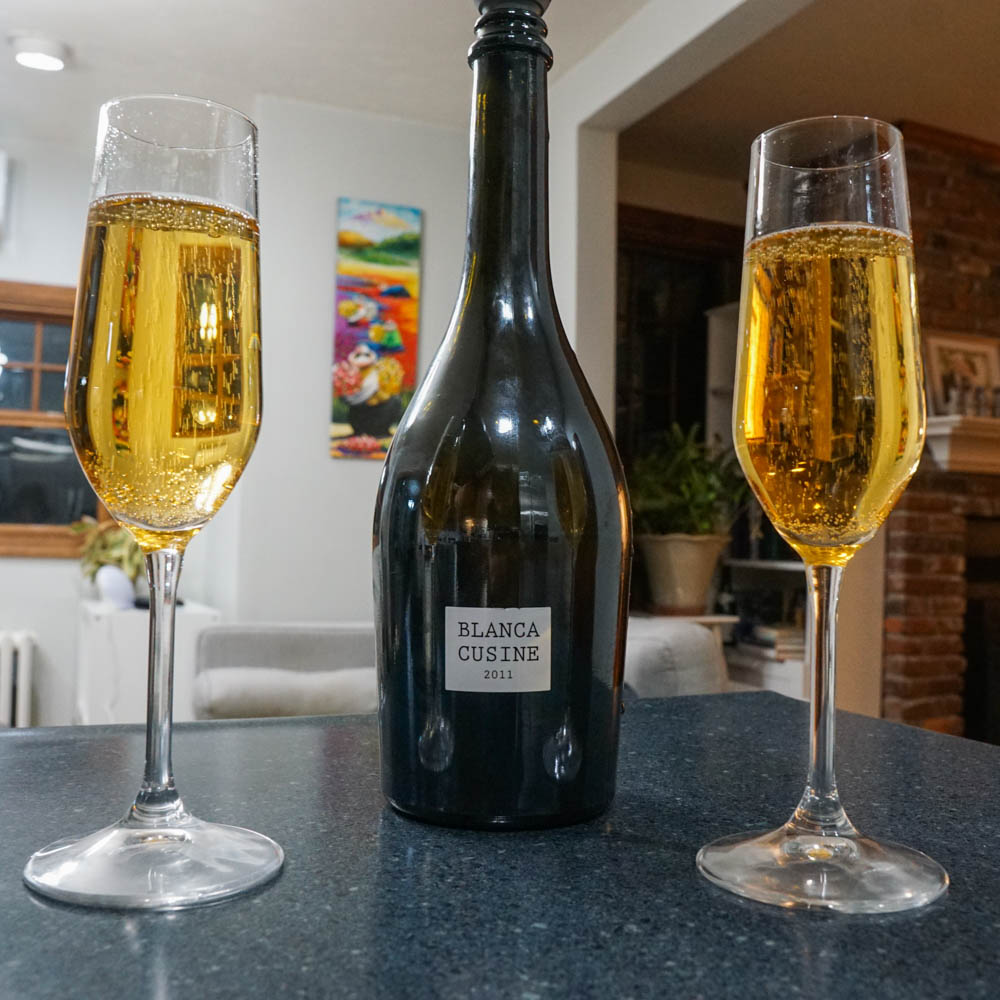
- Sparkling wine — Wines that have been made to have carbonation (bubbles). These can be made with the traditional method (e.g. Champagne) where carbonation is achieved in-bottle, tank method (Charmat Method) where carbonation is achieved in a tank, or pumped in via CO2 to name a few.
- Fortified wine — Wine with an elevated alcohol level, typically as a result of the addition of grain spirit.
- Dessert wine — Wines with residual sugar that often have flavors pleasing to pair with dessert.
- Rosé — Wines made from red grapes with brief skin contact, often giving a pink color in the wine.
- Orange wine — Wines made from white grapes with brief skin contact, often giving an orange color in the wine.
- Late harvest wine — Wines made from grapes picked later in the season, often with higher concentrations of sugars.
- Ice wine (Eiswein) — Wines made from grapes that are allowed to freeze on vines, often with higher concentrations of sugars.
- Botrytized wine — Wines made from grapes afflicted with botrytis that have begun to dry and concentrate sugars/flavors.
- Natural wine — Wines made with minimal intervention and chemicals added, often with wild yeasts. Some natural wines may have unique flavors (e.g., wild notes), others may be indistinguishable from their conventional counterparts.
- Pét-nat (ancestral method) — Wines that finish fermentation in bottle and are often lightly sparkling- popular for sparkling natural wines in particular.
- Blanc de blancs — A sparkling wine made exclusively from white grapes (white from whites), often Chardonnay in regions like Champagne.
- Blanc de noirs — A sparkling wine made with red grapes (white from blacks), often Pinot Noir and Pinot Meunier in regions like Champagne.
- Red blend — A wine made with multiple red grapes in a blend.
- Field blend — A wine made with several varieties at once, typically unsorted from a field with many grape types. Common from before monoculture vineyards became popular.
- Single varietal — A wine made from a single grape type. Assumed to be 100% pure; however, some laws may allow for 85% to be considered varietally pure.
- Vintage wine — Grapes harvested from a single season- showcasing varying characteristics with things like weather, harvest date, etc. The term may also be used in fortified wine, such as Port, when exceptionally good years allow for year indications to be provided on the wine and gives the wine an indication that it is suitable for aging. (Note: Most other forms of Port wine do not mature once in bottle.)
- Non-vintage (NV) — Wines produced without a year indication which may include wines from multiple seasons. The term may be used in sparkling wine for bottles where winemakers are looking for consistency from year to year (blending many styles and ages to achieve a uniform product) as well as in fortified wines.
- Reserva / Reserve — Often a legal term indicating a wine has been made under additional requirements, such as a lower harvest yield, longer aging, etc. Varies by region.
- Gran reserva / Grande Reserve — Often a legal term indicating a wine has been made under stricter requirements than Reserva/Reserve, such as even lower harvest yields, longer aging, etc. Varies by region.
Sparkling Wine Terms
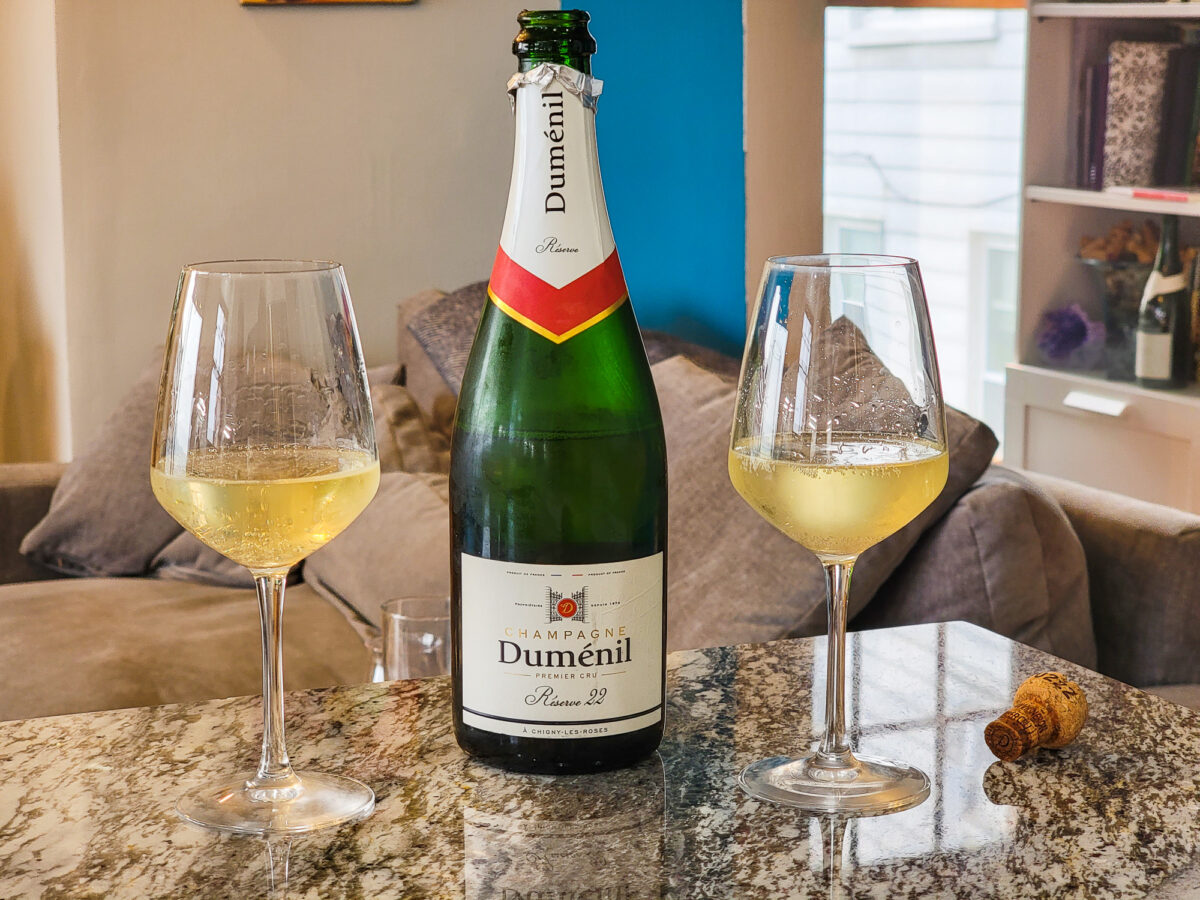
Out of all of the wine styles, sparkling wine is perhaps the most complex from a production and definition standpoint. Wines can be made in the Champagne method and aged on the lees, or in tanks, or even force injected with CO2 to give bubbles. As such, there are a lot of definitions to go along with these extra steps.
- Traditional method (méthode champenoise) — A process to create sparkling wine with a secondary fermentation taking place inside a bottle, also known as the Champagne Method.
- Charmat (tank) method — A process to create sparkling wine with secondary fermentation taking place inside a tank.
- Transfer method — A variant of the traditional method where the sparkling wine is emptied into a pressurized tank, clarified, and re-bottled.
- Disgorgement — A traditional method step where the lees inside the bottle are allowed to settle at the cork, chilled, opened (allowing the lees to be removed), topped off, and quickly re-bottled.
- Dosage — Additional wine or grape must added after disgorgement and before bottling, typically for minor acid and sugar adjustments in addition to topping off the liquid level.
- Brut nature — A labeling term where no additional sugar is added, resulting in a very dry sparkling wine (0-3 g/L residual sugar typical).
- Extra brut — A very dry style where minimal sugar is added, resulting in a dry sparkling wine (3-6 g/L residual sugar typical).
- Brut — A dry style where minimal sugar is added, resulting in a dry sparkling wine (6-12 g/L residual sugar typical). Some tasters may be able to identify faint sugars in select Brut wines.
- Extra dry — An off-dry style of sparkling wine (12-17 g/L residual sugar typical). Most tasters should be able to identify faint to slightly prominent sugar in most wines.
- Sec — A semi-sweet style of sparkling wine (17-32 g/L residual sugar typical). Residual sugars should be easy to identify.
- Demi-sec — Mostly sweet sparkling wine (32-50 g/L residual sugar typical). Residual sugars should be prominent.
- Doux — Sweetest sparkling category (typically > 50 g/L residual sugar). Residual sugars should be very prominent.
- Mousse — A tasting characteristic noting the texture of bubbles on the palate.
- Autolysis — The process in which lees break down and release pleasing characteristics in wine (e.g. toast, brioche).
- Cuvée — A winery's selected blend in sparkling wine making.
- Remuage (riddling) — The process of turning traditional method wine bottles on a rack to force the lees to settle by the cork. A manual process.
- Gyropalette — A machine that spins palettes of wine to force the lees to settle by the cork faster than manual riddling.
- Liqueur de tirage — A sugar and yeast mixture added to wine in the bottle to kick start secondary fermentation in traditional method wine.
- Liqueur d’expédition — Another name for the liquid added into the wine bottle after disgorgement, typically to adjust for final sugar and acids.
- Prestige cuvée — A winery's top-tier sparkling wine, often selling at a sufficient premium.
Wine Tasting Definitions
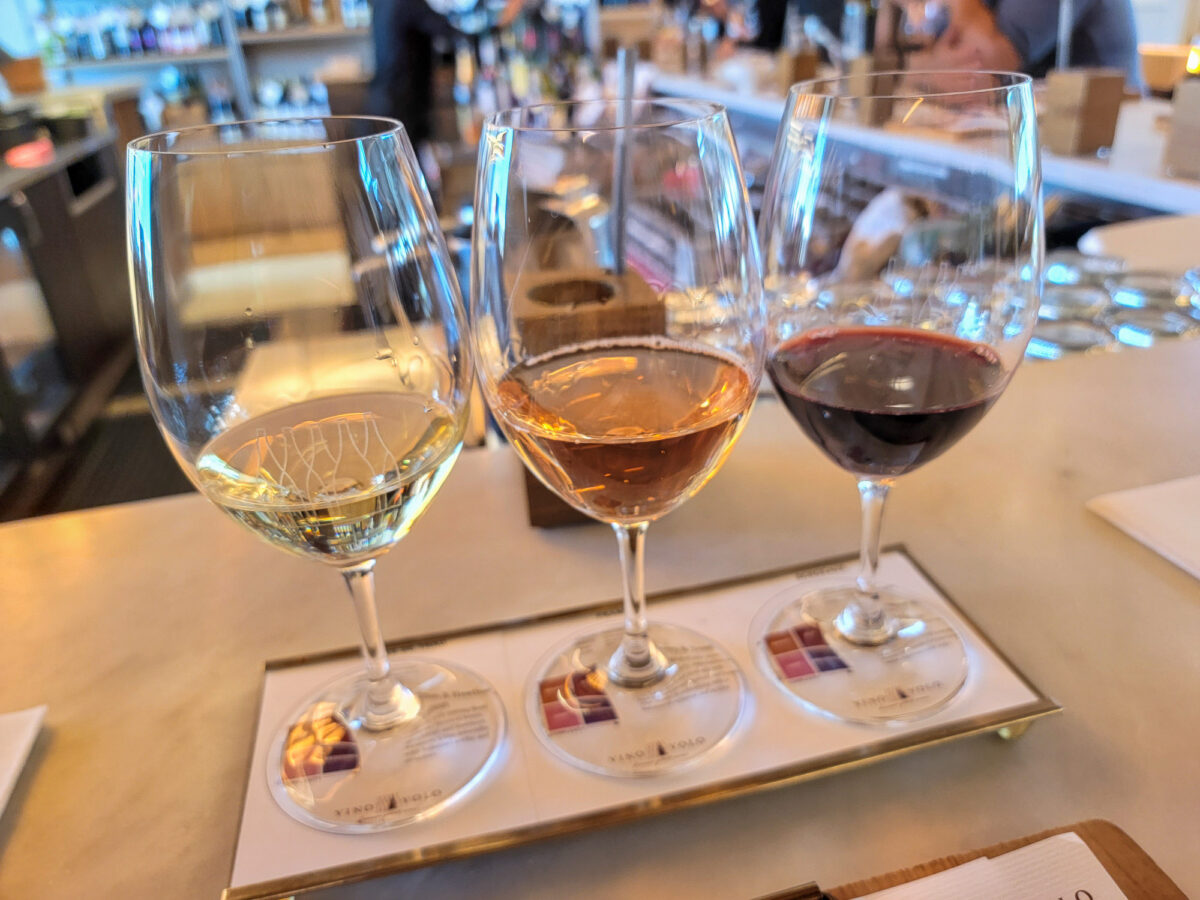
Once wine is produced, it is time for everyone's favorite part- tasting. These terms are some of the most common you may hear when tasting wine, so be prepared to have them on hand when describing what is in your glass!
- Aroma — A scent or other characteristic you are able to detect when smelling a wine.
- Bouquet — A collection of aromas that are used to define the scents of a wine.
- Primary aromas — Notes that are present from the individual grape(s).
- Secondary aromas — Notes that are present from fermentation and winemaker choices, like those from malolactic fermentation.
- Tertiary aromas — Notes that are present due to developing with age.
- Tannin — An astringent characteristic that is often present from aging on grape skins, but can also come from whole cluster aging (with stems) or wood.
- Acidity — A measure of the acid structure of the wine, high acidity makes you salivate more, while low acidity may feel flabby.
- Sweetness — A perception of the residual sugar in the wine, typically starting at around 6 g/L for many tasters.
- Alcohol — The measure of ethanol in wine, typically ranging from 9%-15% for still wine, and upwards of 22% or more for fortified wine.
- Body — A measure of the weight or heft of wine on your palate, impacted by things like sugar and alcohol concentration in particular.
- Finish — Flavors that remain on the palate after swallowing wine.
- Balance — Two or more characteristics in wine working in harmony together (e.g. acidity and flavor concentrations are balanced).
- Complexity — A descriptor for the variety of flavors in wine. A bottle with simple fruit flavors may not be as complex as a bottle with multiple fruit types, secondary winemaking choices, and aging.
- Structure — A culmination of the wine's non-flavor characteristics working together, such as alcohol, acidity, tannin, etc.
- Length — The duration at which flavors remain on the palate after swallowing wine.
- Mouthfeel — Non-flavor sensations on the palate, such as body, effervescence, and texture.
- Minerality — Flavor characteristics that taste like wet stones, rocks, salinity, etc.
- Fruit-forward — Wines that are predominantly fruity.
- Earthy — Flavor characteristics like forest floor, wet leaves, dried leaves, etc.
- Herbaceous — Flavor characteristics like green bell pepper, cooking herbs, etc.
- Floral — Flavor characteristics like those of flowers, including rose, violet, geranium, etc.
- Spicy — Flavor characteristics like those of baking spices, black pepper, clove, etc.
- Oaky — Flavor characteristics stemming from being matured on wood, like toast, vanilla, etc.
- Buttery — Flavor characteristics stemming from malolactic fermentation, like butter, cream, brioche, etc.
- Jammy — Flavor characteristics often associated with very ripe grapes, like stewed or cooked fruits. It can also be common in wines with grapes that have dried, like late harvest or are raisinated in the sun.
- Elegant — Wines that offer a wealth of harmonious flavors and characteristics, likely including tertiary age notes, that are still pleasing to drink.
- Faulty — Wines that have a perceived fault that makes them unappealing to consume, such as cork taint or being oxidized.
- Crisp — A descriptor often used for denoting pleasing, high acidity.
- Round — A descriptor often used to describe wines that are well integrated.
- Lean — A descriptor often used to describe wines with subtle characteristics.
- Velvety — A descriptor of tannin often used for a pleasing, smooth feel on the gums.
- Astringent — A descriptor of wine (predominantly of tannin) used for a bitter, unpleasant feeling.
- Fresh — A descriptor denoting young and bright wines, often without notable secondary or tertiary characteristics.
- Mature — A wine that has fully developed with tertiary notes due to time in the bottle. Mature wines are often not thought to get better with further aging.
- Oxidized — A descriptor often denoting off-putting flavors, often due to coming in contact with too much oxygen. Note that wines can be oxidized on purpose for a desired effect, and that oxidation, when controlled, can be pleasing.
- Reductive aromas — Sulfur aromas generated in the bottle when in low presence of oxygen or overdosing sulfide-containing preservatives.
- Brettanomyces (Brett) — Typically considered a fault, a microbial spoilage in wine that gives a wild, almost vinegary taste. Small amounts of Brett may be pleasing in the case of natural fermented wines.
- Volatile acidity (VA) — A fault in wines, these are components that contribute an acidity and nail-polish-like characteristic in wines.
- Cork taint (TCA) — A fault in wines, often impacting a cork and imparting a musty flavor into wine.
- Clean — A wine that is free of any recognizable faults.
Wine Regions & Classifications
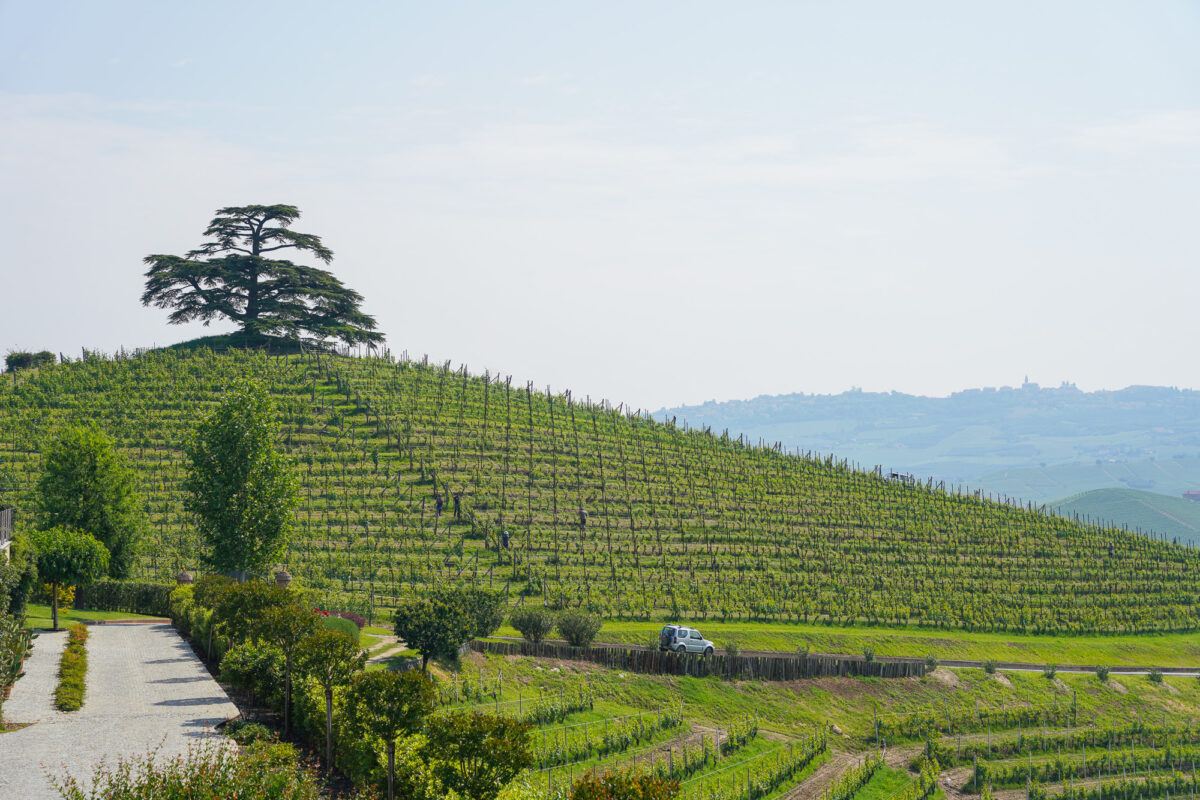
If we circle back to wine production for a moment, you can really go down the rabbit hole of learning about wine as a function of where the grapes are grown. Part of this is because the terroir of a wine can vary from location to location (even row to row in the case of some vineyards), but also because almost every location has its own terminology, wine laws, and best practices that wineries tend to follow. These are just a selection of some words you may encounter on your wine journey.
- Appellation — A legally defined wine region.
- DO/PDO – Protected Designation of Origin, a legally defined wine region in the European Union.
- AOC — Appellation d’Origine Contrôlée, or a legally recognized wine region in France, each with its own rules and requirements.
- DOC — Denominazione di Origine Controllata, or a legally recognized wine region in Italy, each with its own rules and requirements.
- DOCG — Denominazione di origine Controllata e Garantita, a higher Italian denomination tier, often with more rules and requirements than the corresponding DOC.
- Vin de pays — French regional category, covering a larger area, but has since been rolled into IGP.
- IGP/IGT/PGI — Protected Indication Géographique Protégée in France, Indicazione Geografica Tipica in Italy, and Protected Geographical Indication in the EU- often covering a larger area and with fewer rules and requirements.
- AVA — American Viticultural Area, or a legally recognized wine region in the USA.
- Estate bottled — Wines where the grapes are grown and vinified at the same property.
- Cru — A named vineyard site within a region, particularly in France.
- Grand Cru — A smaller, and often higher-quality named vineyard site within a region, particularly in France.
- Premier Cru — A second tier often just under Grand Cru in Burgundy and Champagne.
- Climat — A named vineyard area, often in Burgundy, for a small location of grapes.
- Lieu-dit — Other named sites in France for wine.
- Château — Typically referring to the wine estate in Bordeaux, and producing estate wines from their own grapes.
- Domaine — Typically referring to the wine estate in Burgundy, and producing wines from grapes purchased from others.
- Cooperative — Entities that are often member-owned and market wines under a single label from multiple growers.
- Co-op bottling — Wines produced by cooperatives.
- New World wine — Wines produced outside of Europe.
- Old World wine — Wines produced in Europe.
- Récoltant-Manipulant (RM) – Wines, typically Champagne, produced from the winemaker's own grapes.
- Négociant-Manipulant (NM) – Wines, typically Champagne, produced from purchased grapes.
- Récoltant-Coopérateur (RC) – A grower who contributes grapes to a cooperative, typically in Champagne.
- Super Tuscan — A marketing term for high-quality wines in Tuscany that do not adhere to DOC/DOCG standards.
- Crianza — A young Spanish wine with minimal aging.
- Joven — A young Spanish wine often with little oak.
- Vigneron — A French term for winemaker.
- Négociant — A French term for a merchant who buys grapes and/or wine to sell.
- Grower Champagne — Sparkling wine made from individual producers, likely estate-based and with regional specific characteristics.
- House Champagne — Sparkling wine made from larger producers, likely sourced grapes and blended to have more standardized flavors.
- Sherry — Fortified wines from Spain. Sherry production can include oxidative aging (oloroso), aging under a biological layer known as a flor (fino), or be a bit of both (amontillado). Sweet variants also exist for the three styles (cream, pale cream, and medium, respectively).
- Port — Fortified wines from the Douro Valley in Portugal (and typically aged near Porto). Ruby ports tend to be fruit-forward and younger, while tawny ports are aged oxidatively before bottling, often for many decades.
- Madeira — Fortified wines made in Madeira. These wines are often single varietal grapes and roughly correspond to sweetness levels (Verdelho tends to be drier while Malmsey tends to be sweeter, for example).
- Marsala — Fortified wines made in Marsala, Sicily.
- Tokaji — A sweet wine made in the Tokaj region of Hungary, afflicted with botrytis to a varying degree.
- Sauternes — A sweet wine made in the Sauternes region of Bordeaux, afflicted with botrytis to a varying degree.
- Barolo — A popular wine region in Piedmont, Italy, known for its acclaimed Nebbiolo.
- Amarone – A popular wine style from the Valpollicella region in Italy, made from raisinated Corvina grapes. Variants include Ripasso (where the dried grape skins from Amarone are added back onto still wine) and Recioto (where the wine has so much sugar that fermentation stops naturally, resulting in residual sugar).
- Bordeaux blend — A famous blend that often features Cabernet Sauvignon and Merlot (amongst other grapes) in varying amounts. Left Bank Bordeaux blends tend to be Cabernet dominant, whereas Right Bank Bordeaux blends tend to be Merlot dominant. Replicated in many wine regions due to consumer popularity.
- Vinho Verde — A popular wine style from northern Portugal known for high acidity, light flavor notes, and often light effervescence, too.
- Note: We are being very general here in some of our definitions, particularly for regional requirements. They vary considerably, but it is just worth noting that the progressively more restrictive titles like DOCG over DOC have stricter rules for things like grape requirements, harvest location, yields, aging requirements, etc. A DOCG in one part of Italy may have completely different requirements than a DOCG in another, so knowing the rules of the individual locations matters, especially as you get into advanced wine study like WSET Diploma.
Grape Varieties

As you may know, our quest here at The Grape Pursuit is to try every grape variety in the world. But for an article about definitions, it doesn't quite make sense to define the roughly 1,500 grapes that are out there. Still, we wanted to share a bit more about the most common grapes you'll see, give a few notes about their characteristics, and share some popular regions when relevant, too.
- Cabernet Sauvignon — A dry, full-bodied red wine with strong fruit notes and earthy characteristics with age. Popular in Bordeaux blends both in France and abroad.
- Merlot — A dry, medium to full-bodied red wine with dominant fruit notes. Popular in Bordeaux blends both in France, the Finger Lakes, and elsewhere.
- Cabernet Franc — A dry, medium to full-bodied red wine with strong fruit notes and undertones of herbaceous characteristics.
- Pinot Noir — A dry, medium-bodied red wine with structure. Popular in Burgundy, Sonoma, and Oregon.
- Syrah/Shiraz — A dry, medium to full-bodied red wine with dark fruit notes and black pepper characteristics. Popular in the Rhone, Australia, and Washington
- Grenache/Garnacha — A dry, medium to full-bodied red wine known for red plum notes and higher alcohol. Popular in the Rhone (Grenache-Syrah-Mourvedre blends) and Spain.
- Tempranillo — A medium to full-bodied red wine with strong fruit notes and Earthy characteristics. Popular in Rioja.
- Sangiovese — A medium-bodied red wine with distinctive flavors. Popular in Tuscany.
- Nebbiolo — A full-bodied red wine with strong tannins and floral characteristics, known for its ability to age for a considerable period of time. Popular in Piedmont.
- Zinfandel/Primitivo — A medium to full-bodied red wine with strong dark fruit notes and uneven ripening, sometimes leading to herbaceous characteristics. Popular in Italy and California.
- Malbec — A medium-bodied red wine known for juicy fruit notes. Popular in Argentina.
- Petit Verdot — A medium to full-bodied red wine often used for blending in French wines.
- Carmenère — A medium-bodied red wine known for fruity notes and herbaceous characteristics. Popular in Chile.
- Chardonnay — A medium to full-bodied white wine known for its versatility in flavors, ripening ability, and winemaker choices. Popular in Burgundy, California, Champagne, and many other regions.
- Sauvignon Blanc — A light to medium-bodied white wine known for distinctive grassy notes. Popular in the Loire Valley, New Zealand, and many other regions.
- Riesling — A light to full-bodied white wine known for its versatility in flavors, ripening ability, sweetness levels (dry to luscious), and can be sparkling. Popular in Alsace, Finger Lakes, Germany, and many other regions.
- Chenin Blanc — A medium-bodied white wine known for its versatility in flavors, ripening ability, sand weetness levels (dry to sweet), and can be sparkling. Popular in the Loire Valley and South Africa.
- Viognier — A medium to full-bodied white wine known for lower acidity, floral characteristics, and being a popular co-ferment in high-end wines. Popular in the Rhone.
- Pinot Gris/Grigio — A light to full-bodied white wine known for its range in characteristics. Pinot Grigio from Italy tends to trend lighter, while Pinot Gris from Alsace tends to trend fuller body.
- Gewürztraminer — A medium-bodied white wine known for its floral characteristics and restrained acidity. Popular in Alsace, the Finger Lakes, and many other regions.
- Muscat — A light to medium-bodied white wine known for its distinctive grape-y notes and light floral characteristics. Popular in France.
- Albariño — A light to medium-bodied white wine in Spain and Portugal known for citrus and saline notes. Popular in Vinho Verde.
- Verdejo — A medium-bodied white wine from Spain known for its herbaceous characteristics.
- Assyrtiko — A medium-bodied wine from Greece known for its exceptionally high acidity and minerality.
- Fiano — A medium-bodied white wine from southern Italy known for its textural components.
- Verdicchio — A medium-bodied white wine known for its approachable flavors.
- Grüner Veltliner — A medium-bodied white wine from Austria known for its minerality and textural components.
- Semillon — A medium to full-bodied white wine known for having waxy characteristics. Popular in botrytised Sauternes and Australia.
- Trebbiano/Ugni Blanc — A light to medium-bodied white wine known for modest flavors and blending characteristics or for making brandy.
- Torrontés — A light to medium-bodied white wine known for its characteristic floral notes and modest acidity. Popular in Argentina.
Wine Service & Tools
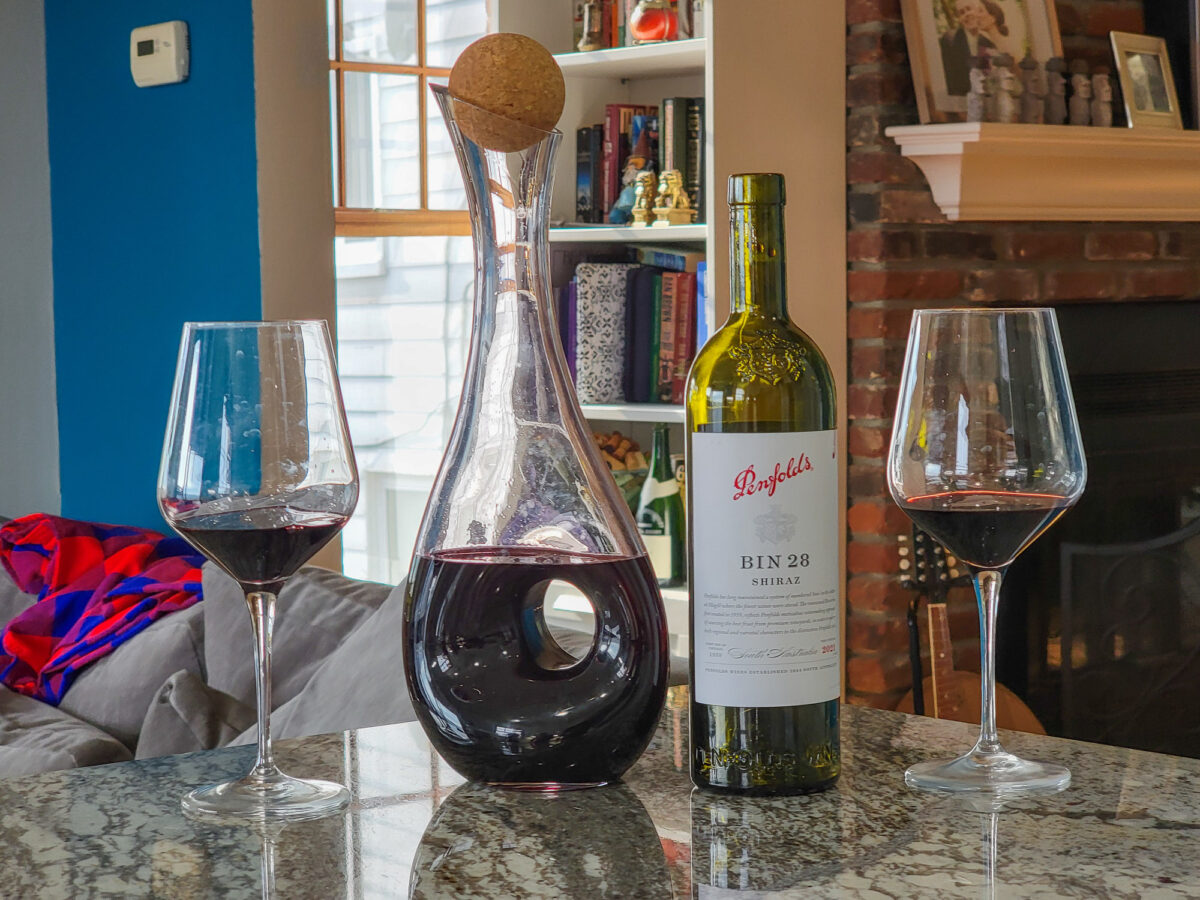
There are also a number of wine services terms you may want to be aware of in conjunction with tasting, and these are words you may hear when at a bar, restaurant, or winery when exploring wine further.
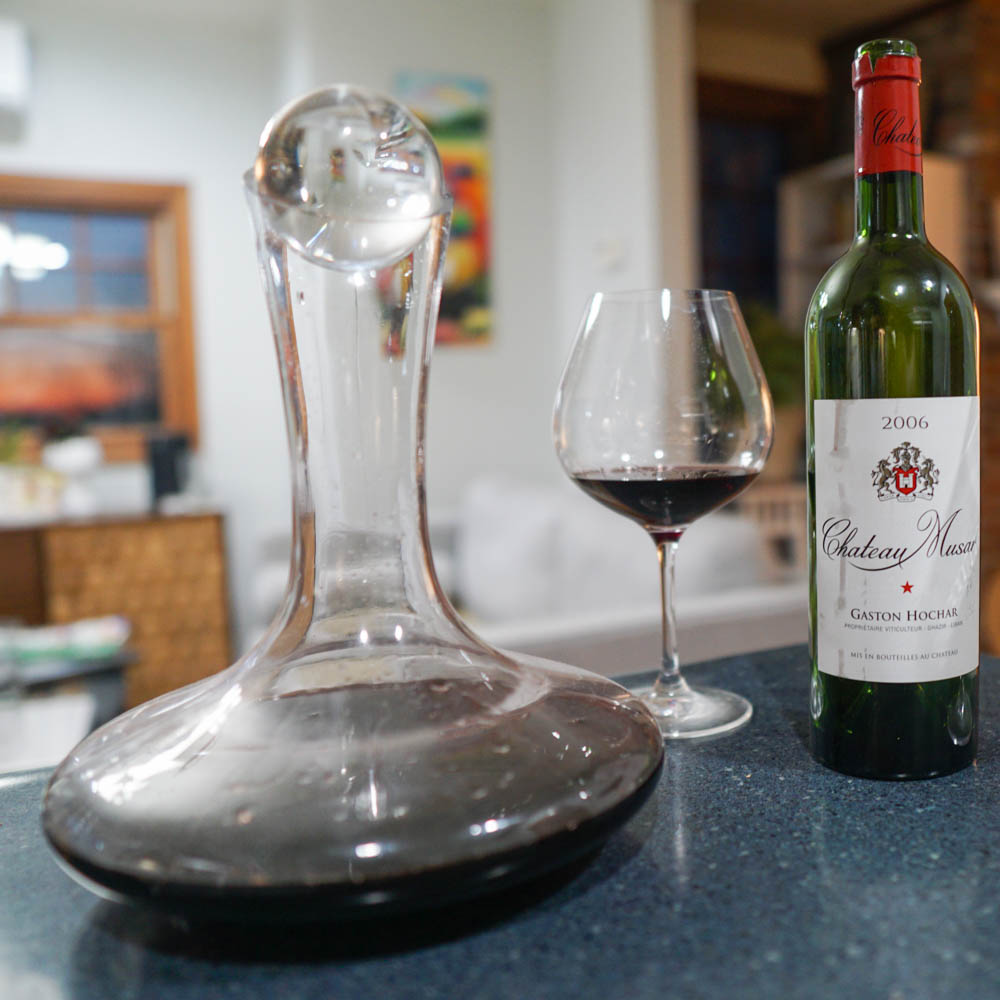
- Decanting — The act of pouring wine into a separate vessel, often for removing sediment or letting it open up in the presence of oxygen.
- Aeration — Incorporating oxygen into wine, often with a separate device to increase the air-liquid surface area.
- Sommelier — A wine professional employed by a restaurant, bar, or bottle shop.
- Corkage fee — A fee charged by a bar or restaurant to open a bottle of wine purchased off-site or from a bottle shop.
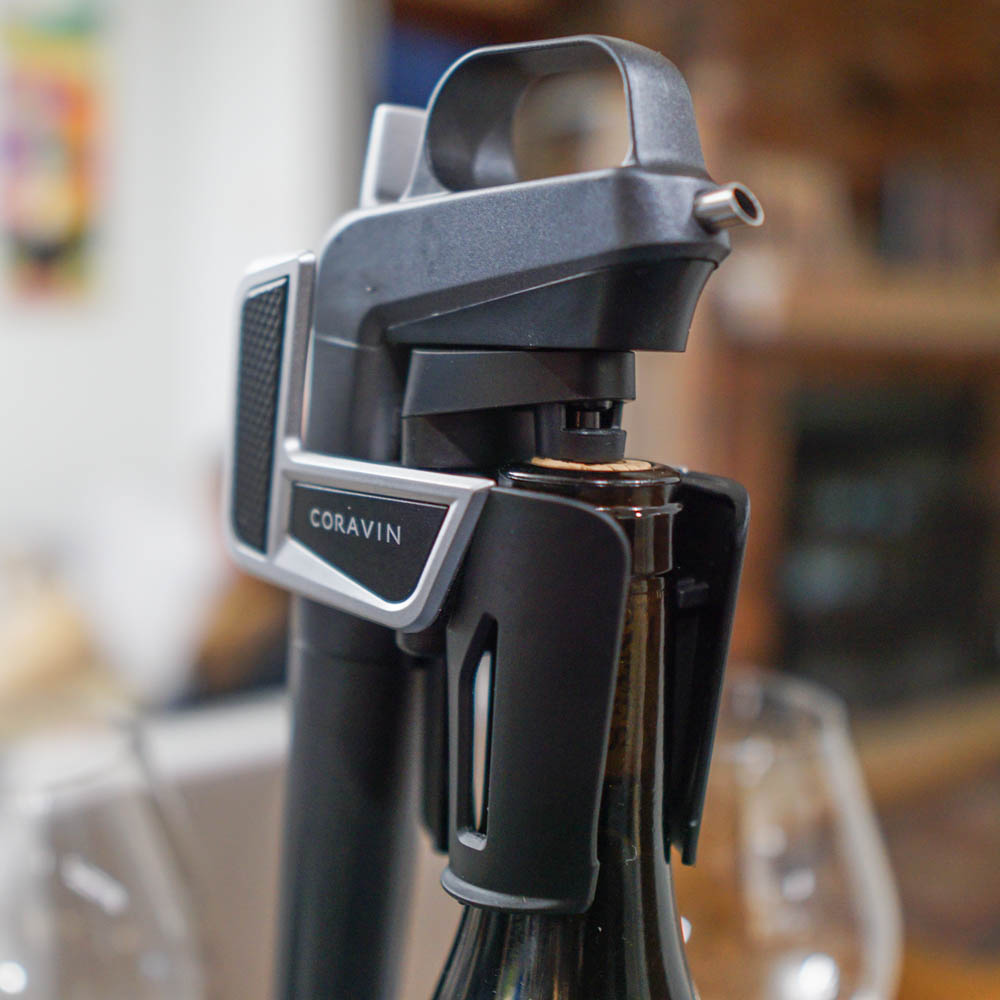
- Coravin — A device used to extract wine from a bottle without removing the cork and preserving the bottle for future enjoyment.
- Cork puller (Ah-So) — A two-pronged tool used to remove corks, primarily in older bottles whose corks are more likely to break.
- Waiter’s friend — Another name for the classic corkscrew that typically also includes a foil cutter.
- Sabrage — The act of opening a bottle of sparkling wine with a ceremonial knife or sword. (We don't recommend trying this at home.)
- Wine flight — A collection of wines, often served in smaller portions, in a set.
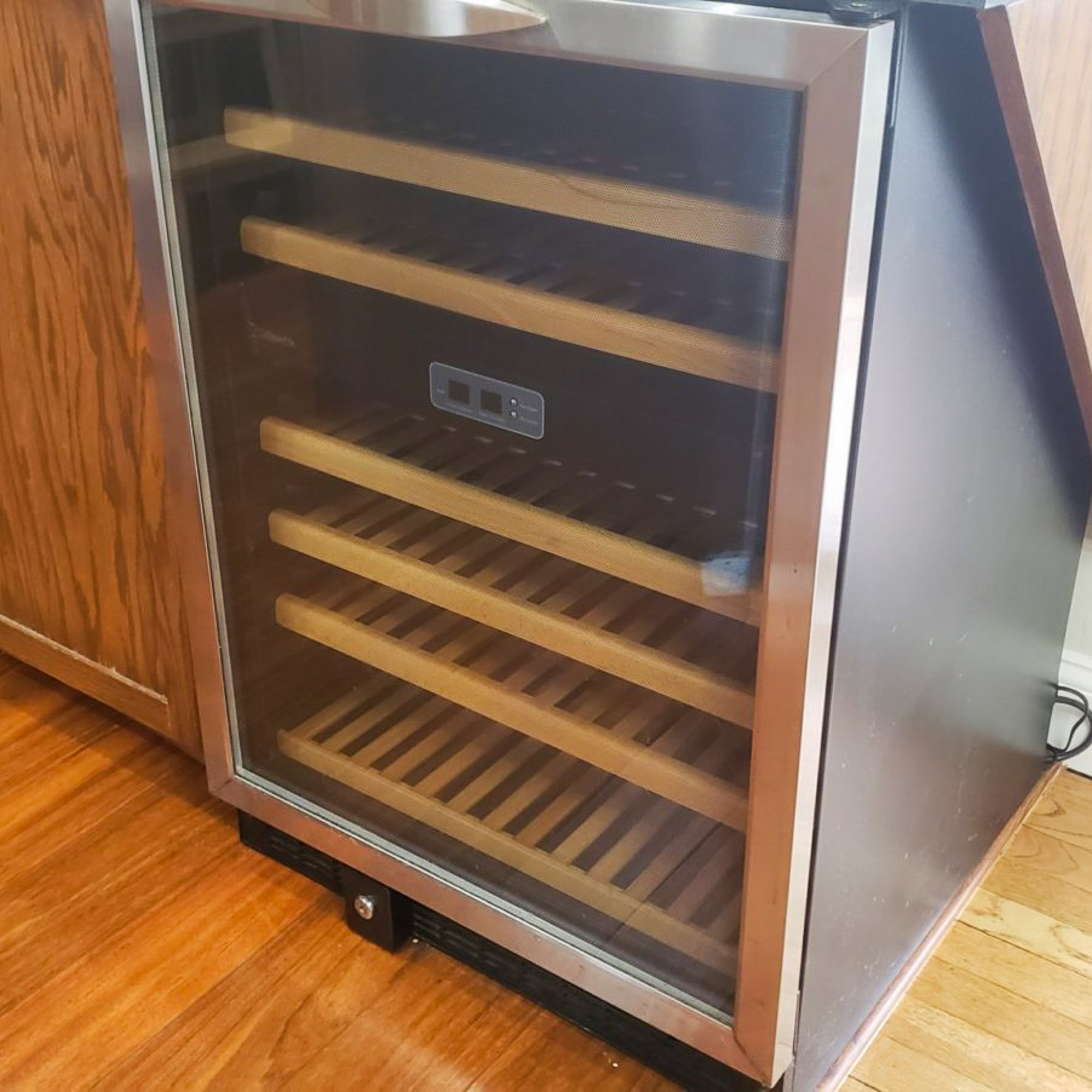
- Serving temperature — The ideal temperature for enjoying any given bottle of wine.
- Tasting note — The descriptors used to communicate the aromas, flavors, and other characteristics in wine.
- Blind tasting — Assessing the qualities of a wine without knowing information such as grape, country of origin, vintage, and more.
- Horizontal tasting — Sampling the same type of wine, either grape or region, from numerous producers (e.g. Chardonnay from different producers in Burgundy).
- Vertical tasting — Sampling the same wine, from the same producer, across numerous vintages (e.g. Chardonnay from the same producer from 2010, 2015, 2020, 2025).
- En primeur (futures) — Bottles being sold for an upcoming vintage prior to bottling. A popular method for wineries to receive money before the bottles are ready, months or years later.
- Magnum — A 1.5 L bottle, or the size of two conventional wine bottles.
- Jeroboam — A 3 L bottle, or the size of four conventional bottles.
- Methuselah / Imperial — A 6 L bottle, or the size of eight conventional bottles.
- Balthazar – A 12 L bottle, or the size of sixteen conventional bottles.
- Nebuchadnezzar — 15 L bottle. A 15 L bottle, or the size of twenty conventional bottles.
Chemistry & Wine Faults
Finally, we have a few wine definitions that are used to describe the chemistry of wine as well as known faults to look out for. While faults are, in our experience at least, quite rare, these are some terms you may encounter in your wine journey.
- Sulfur dioxide (SO₂) — An antioxidant and antimicrobial added to wine.
- Residual sugar (RS) — Unfermented sugars in wine that contribute to perceived sweetness.
- pH — A measure of acidity vs alkalinity in wine.
- Titratable acidity (TA) — Another measurement to identify the level of acidity in wine.
- Acetic acid — A contributing agent to volatile acidity and vinegar notes.
- Acetaldehyde — Contributes to oxidative notes like nuts and bruised apples.
- Ethyl acetate — Contributes nail polish-like aromas in wine.
- Hydrogen sulfide (H₂S) — Contributes to the rotten egg smell in reductive wines.
- Heat damage — Present when wines are stored at elevated temperatures and taste “cooked”.
- Lightstrike — A skunk-like aroma that becomes present when wines have been damaged from extended UV exposure.
Do you have any favorite wine definitions we missed? Comment to share!
Upgrade Your Home Wine Bar
Need to upgrade your wine bar? Grab some new wine accessories: