How to Safely Fly With Wine in Checked Luggage

Whenever we travel to wine regions, we always like to buy wine at wineries we visit. But as we often visit five, ten, or even more wineries in a single trip to popular regions, the wine we accumulate adds up (we very rarely leave any winery without a bottle- call that a good or bad habit, we'll accept either distinction).

Then we are faced with a problem that traveling wine addicts know all too well- how do you take wine on a plane? and even can you bring wine on a plane? to begin with!

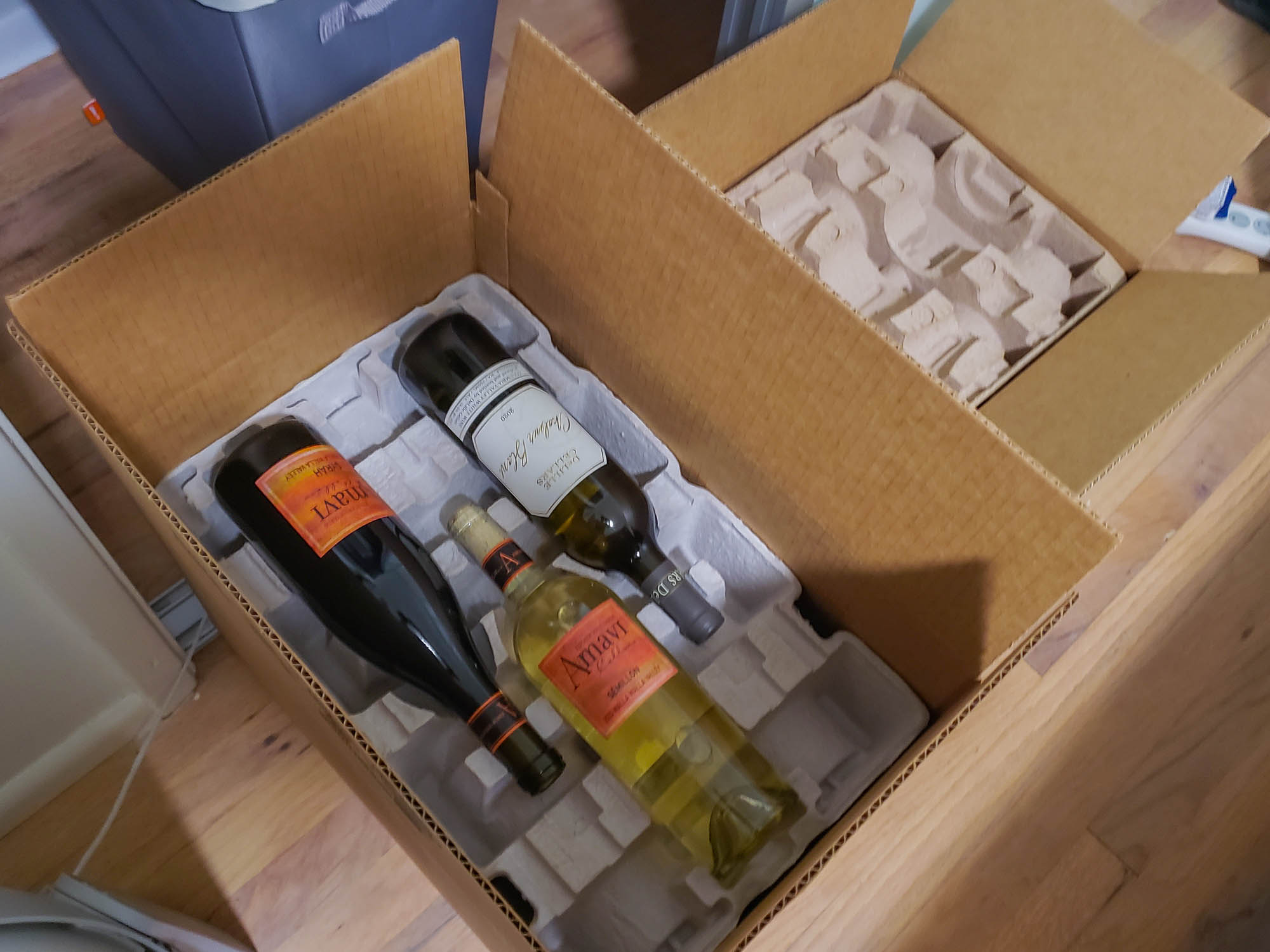
The short answer is, on most airlines, yes, you can take wine on a plane. But as we all know, carry-on liquid limitations are quite small everywhere in the world (outside of duty-free purchases, at least)- so to take full-sized wine bottles on a plane we have to pack them in our checked luggage. But as these are taken outside of our control shortly after arriving at the airport, we have to take great care in how we package our wine to survive the bumps and jolts they may experience along the way.

So in this one, we wanted to share some of the ways we go about checking wine in suitcases to help improve the odds of having intact bottles when we arrive home. Currently, we have used the below to bring 24 bottles home from a single trip without issue!

Disclaimer: The below steps are what we personally use to fly with wine in suitcases that are checked. Please note that this is not foolproof and there are inherent risks associated with each method. If you take bottles on a plane, be aware that they could break and airlines often want you to sign a liability waiver for products like wine. While we've had good luck with the below, we also cannot call them foolproof. As such, if you are checking wine, note that it is a risk that you are accepting on your own.
Read more

How to Use a Coravin – A Step by Step Guide

As far as wine preservation systems are concerned, you have a number of options out there in order to make your bottle last longer.

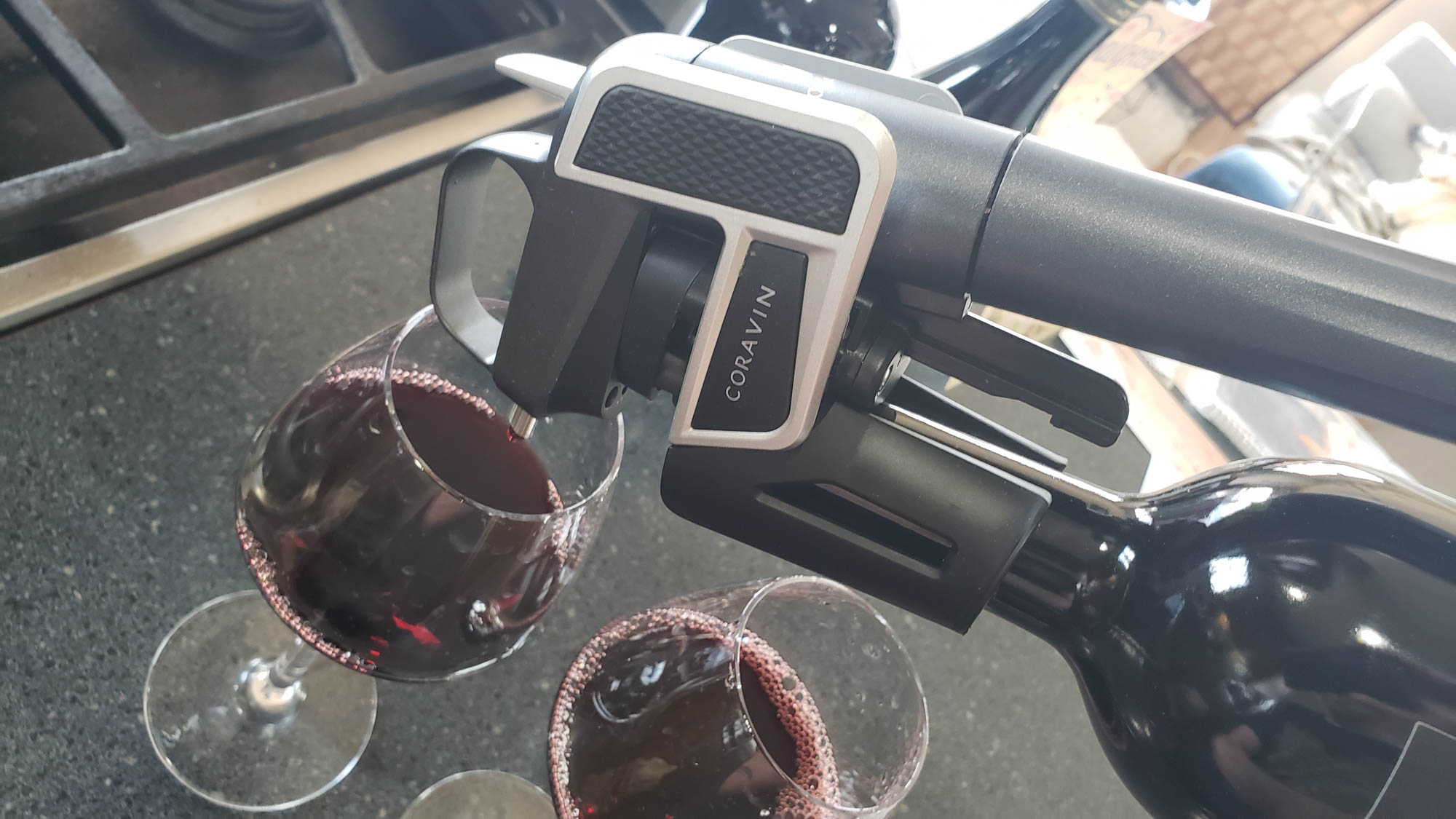
One such option is a Coravin. This gas blanket system is often considered to be the gold standard for gas blanket systems and is used by professional bartenders and home consumers alike.

In this guide, we wanted to take you through a step-by-step process of how to use a Coravin!

Read more

The Truth About Additives in Wine from Chemical Engineers

As chemical engineers, one of the things we love about wine is the science of it all. The steps that go into transforming a simple grape into the alcoholic beverage we know and love are incredibly interesting to us, and learning about it is often one of our favorite parts of WSET wine classes.

But as our consumption of wine has increased, so has our consumption of wine-related media- print, online, and targeted ads that we otherwise did not want to see. What we've noticed is that there is a subset within the industry that pushes a narrative that conventionally processed wines have certain ingredients, additives specifically, that are bad for you and that natural, additive-free wines are inherently better.

While we personally have nothing against natural and additive-free wines (and regularly drink them- they can be quite good), there is one thing you should know- any business that discusses additives negatively is likely trying to take advantage of you to get you to buy their product.

The simple truth is that virtually everything you own or consume has additives in it up to and including the drinking water that comes out of your tap (the very same water used often in natural wines).

We see the chemical paranoia online almost every day and shake our heads at how unwarranted it is in most cases. Yes, there are some cases worth discussing in greater detail (of which we will do below), but most of the time it is complete garbage and deserves to be called out.

Anyone up to talk science? We are!

Read more

How to Open a Bottle of Wine with an Ah So

When building our wine cellar, we also thought it would be fun to test out many wine openers to see how they all work and to find a favorite. While we settled on the waiter's corkscrew as our trusty standard, we found that it is not ideal for one specific category of wine- old bottles.

The reason for this is because as time goes by, the wine in the bottle isn't the only thing that ages. Natural cork found in many bottles also ages, and they can become less structurally sound (namely, brittle) as time goes on.

If you use a corkscrew on these, you may be liable to damage the cork more than you would in a younger bottle, and the likelihood of having cork bits falling into your wine goes up (sometimes substantially).

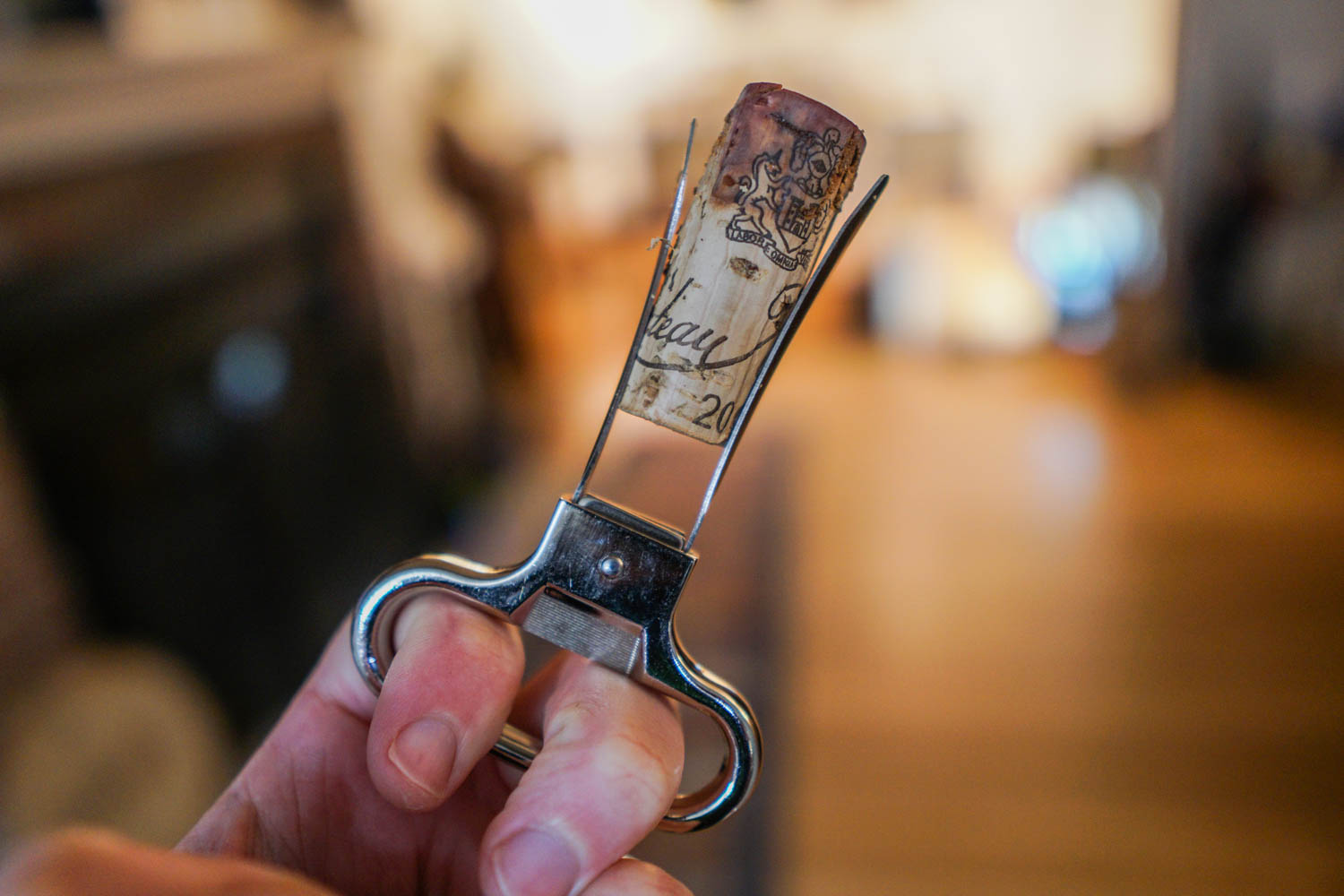
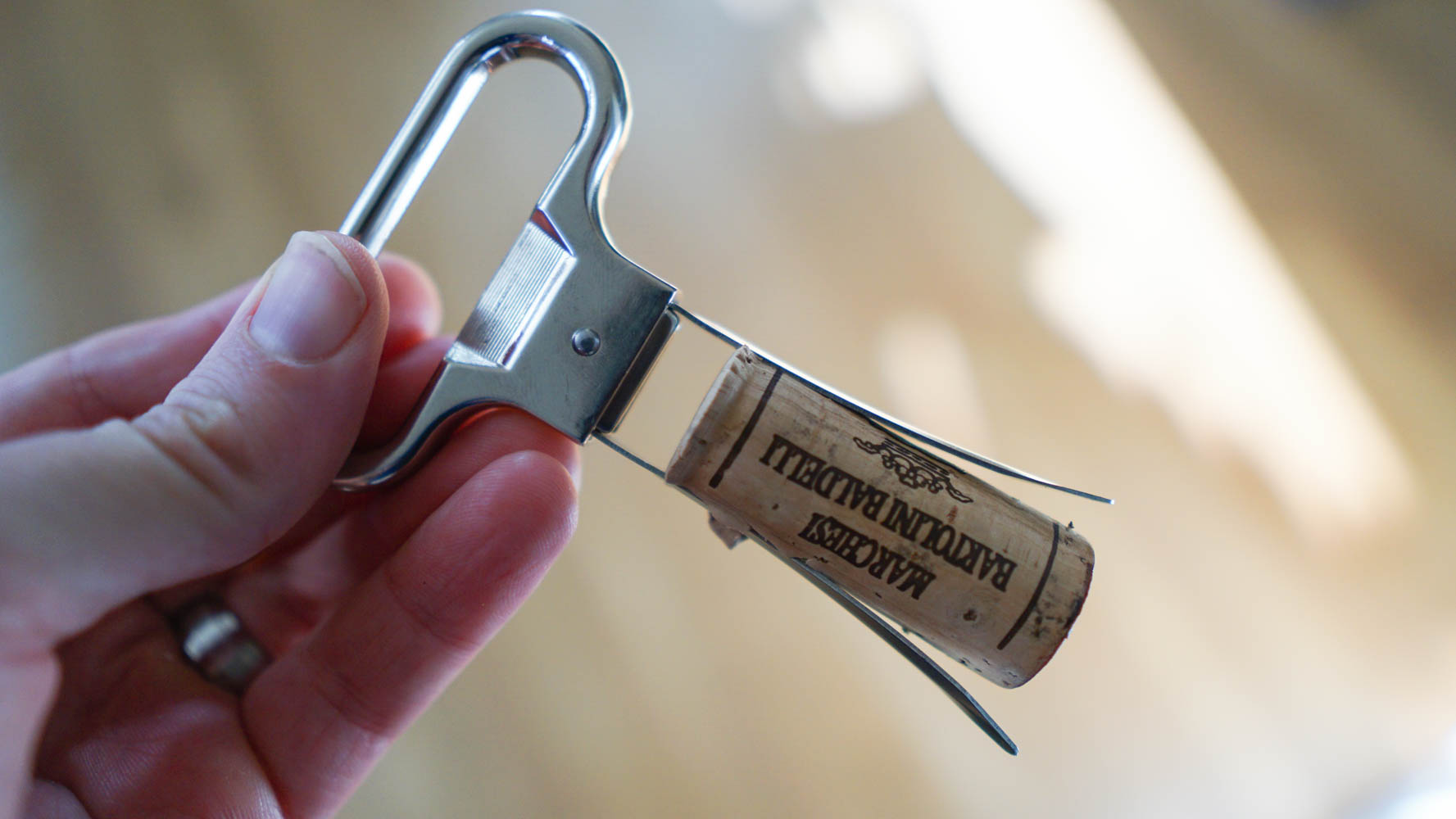
Enter the Ah So– a two-pronged wine opener that can remove cork from older bottles without puncturing the cork at all!

Read more

How to Use a Vacu Vin Wine Saver Pump to Enjoy Wine Longer

As we have learned in wine courses like WSET Level 2, there are generally two kinds of wine preservation system types out there- vacuum wine pumps and inert gas blanketing systems. Both function a lot like how they are named.

Vacuum pumps are designed to remove air from a bottle (creating a vacuum via a pump) and inert gas systems are designed to displace air with another heavier-than-air inert gas (often argon).

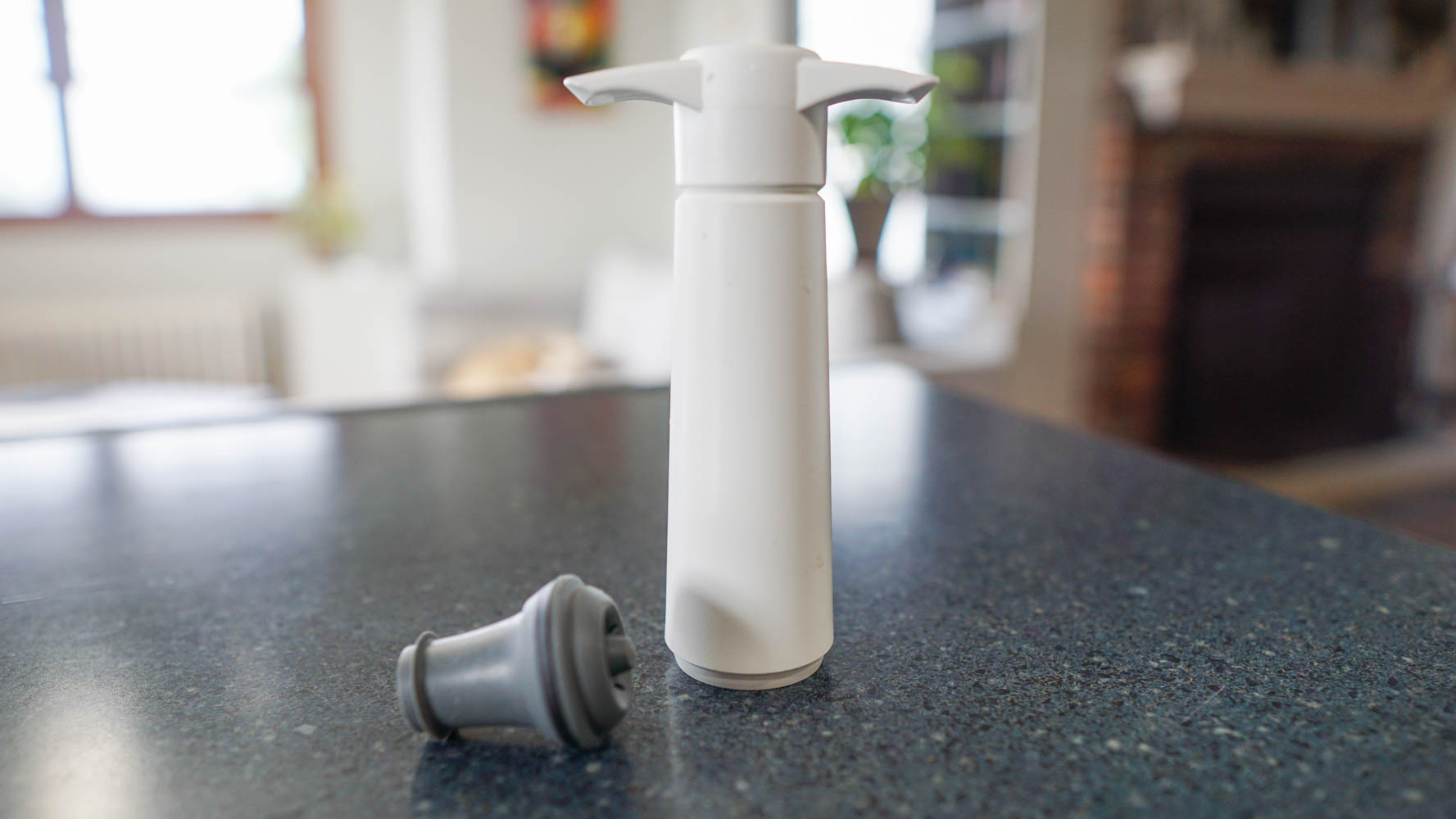
We discussed how one inert gas system works in great detail in our Coravin review. But in this one, we want to look at the Vacu Vin Wine Saver, discuss more on how this vacuum pump system works, and share a few reasons why you may want to have this one on hand.

Read more

How to Open a Wine Bottle With a Corkscrew – An Easy Guide

When it comes to opening a bottle of wine with a corkscrew, there are a number of corkscrew varieties out there that will get the job done (read our guide to some of the most common ones at the previous link). These often range in quality, price, and of course degree of difficulty in removing the cork from a wine bottle.

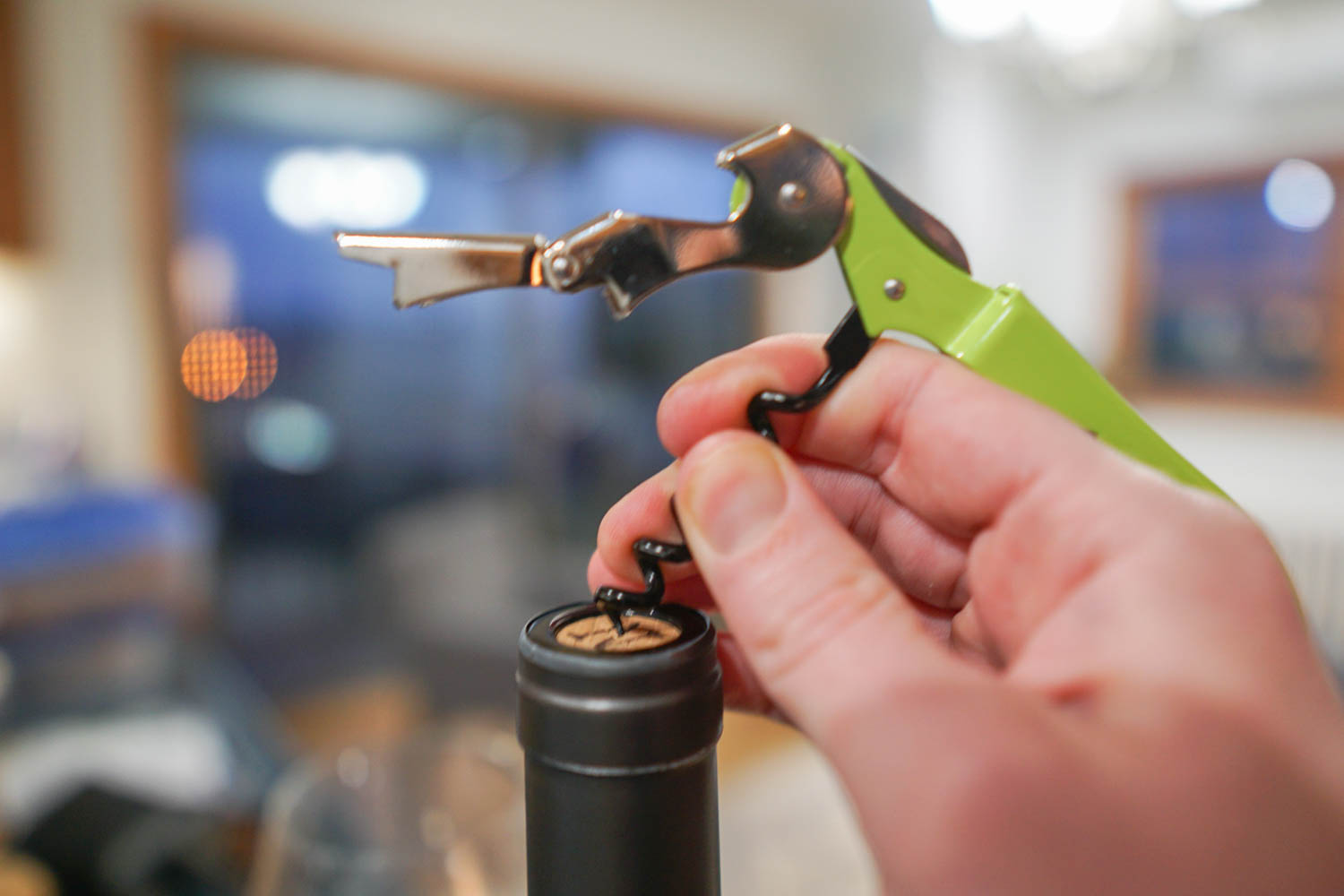
Our favorite tool to open a bottle of wine is the simple waiter's corkscrew. We've used dozens of these over the years, and while there is an initial learning curve we absolutely love how easy this tool makes opening a bottle.

Today, we wanted to share the steps to open a bottle yourself.

Read more

How to Open a Champagne Bottle – A Detailed Walkthrough

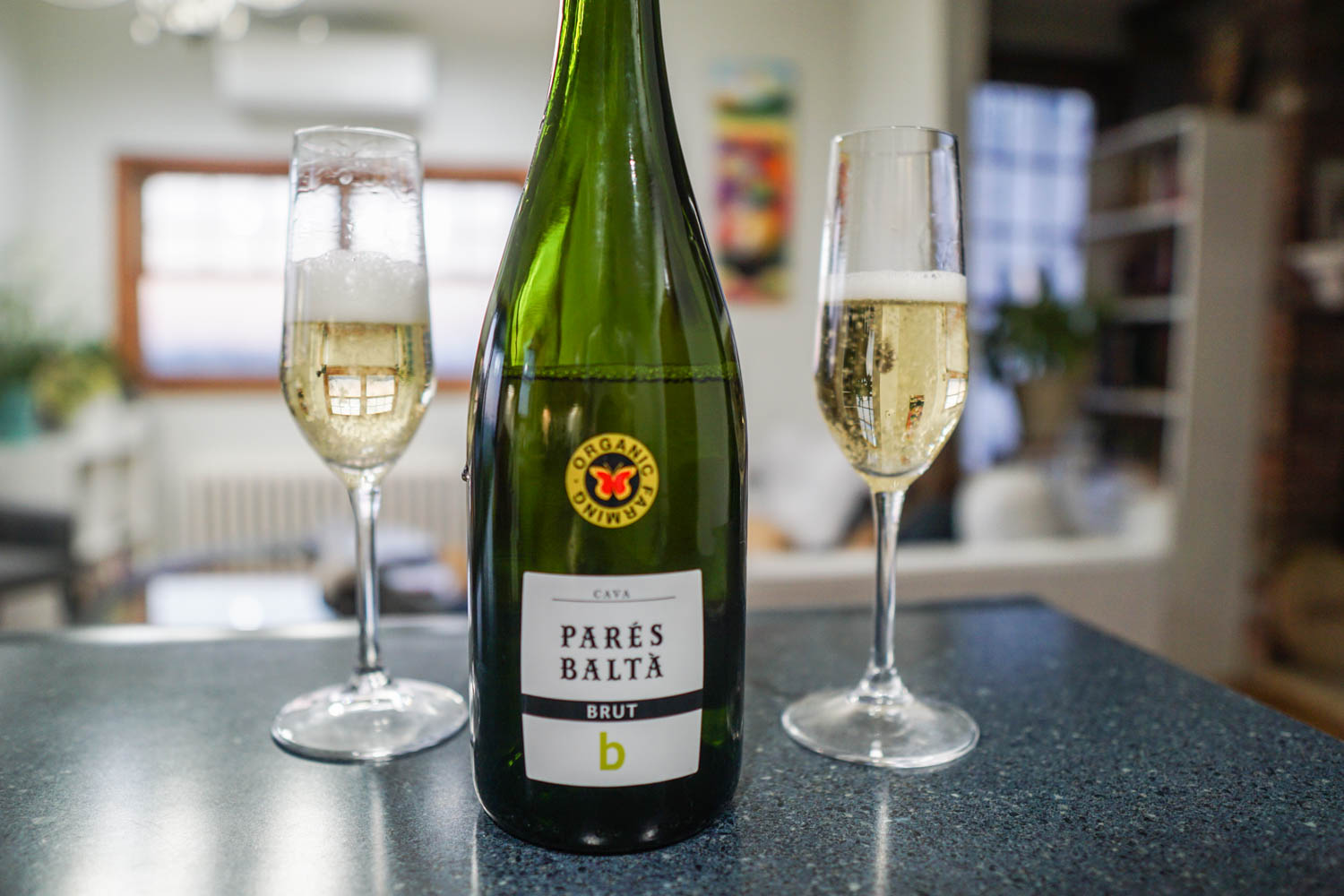
When it comes to opening a bottle of wine, there are many unique corkscrews and techniques you can use to access your prized liquid. When it comes to opening sparkling wines (like Champagne or Cava), your options are much more limited.

The reason for this is because to open a bottle of Champagne, or any sparkling wine with a mushroom-shaped cap and wire cage covering, you often have to go manual by using your hands (although we've now seen some less effervescent bottles with screw-tops- this is still quite rare).

It may seem straight forward, but the technique you use matters a lot here. If you don't hold the Champagne cork properly, it could go shooting off into the distance- possibly hurting someone or breaking an item nearby. If you haven't chilled your sparkling well enough or agitate the bottle too much, the pressurized CO2 may release from the wine too quickly and result in a fountain of wine. This could also happen when pouring, too!

In this one, we want to help you get better with your technique in opening a bottle of sparkling wine because as we said, technique matters!

Read more

The Only 3 Wine Glasses You Need in Your Collection

When it comes to purchasing wine glasses for your home bar, glass producers out there are more than happy to sell you a glass to match most any major wine varietal you enjoy.

The argument goes that every wine is different, and flavors and aromas for each develop differently in the glass. Optimize the glass for each varietal and you can improve the wine-drinking experience accordingly. The more we learn about wine, the more we tend to agree with this notion- in a general sense at least.

But do you need a different set of wine glasses for Riesling than you do for a Chardonnay and for Sauvignon Blanc? Or between Pinot Noir and Cabernet Sauvignon? In our experience, the need is questionable.

In fact, after buying nearly a dozen different wine glasses for our home bar (because I have a shopping problem at my supplier's store), we've found that there are three wine glasses that we use almost exclusively when tasting at home. So rather than putting together a robust guide featuring all the different varieties of glasses out there, we wanted to instead focus on these three and discuss why they work the best for us at home.

Read more

Which Wine Corkscrew is Right for You? Comparing 5 Types

A wine corkscrew is a fairly simple device when you think about it, but it should not surprise anyone that inventors have had a number of different takes on the best way to remove a cork from a bottle of wine- especially in recent years.

We've tried several of the more popular corkscrew styles out there and wanted to share our thoughts on those in this wine corkscrew review.

It is also worth noting that we have only compared manual wine opener types to date. Automatic corkscrews do exist, perhaps with better ease of use, but outside of a few select cases we think the manual ones work just fine for most home bars. Likewise, the products linked in this guide are not necessarily the exact brands we personally own but are quite close in design all the same as a starting point.

Read more

3 Step Guide to Find a Wine That Will Go Great With Any Meal

I've been getting into learning everything I can about wine and have hit things hard between reading wine books, prepping for my WSET Level 2, trying samples at high-end wine bars (like Wine Bar George at Disney Springs- run by a Master Sommelier), and more.

But learning everything there is to know about wine is only part of the equation. Putting it into practice is a different matter entirely.

Between figuring out the best wines to order at a restaurant, finding great bottles to have with meals, and building our own cellar at home, there certainly is a lot that goes on behind the scenes.

In this one, I wanted to go more into the aspect of wine that is one of our favorites- how to find a wine to have with a meal at home. To do this, I've come up with a pretty simple three-step method that you can utilize with every meal!

Read more